Brief: Further inform your understanding of paper and bookbinding by reading pages 165-180 of Alan Pipes’ chapter ‘On Press’.
Collect lots of different paper samples, and assemble these into a standalone book, or integrate them into your sketchbook. See this as the start of an ongoing resource that you can add to, and refer back to. Add notes to your paper sample identifying the paper source, stock, ad any reflection on the paper’s qualities.
Paper Samples
I started off by looking at different paper samples I had laying around the house, these consisted of; cheap printer paper, premium paper, matte paper, textured paper, white card and coloured paper all with a variety of different weights.
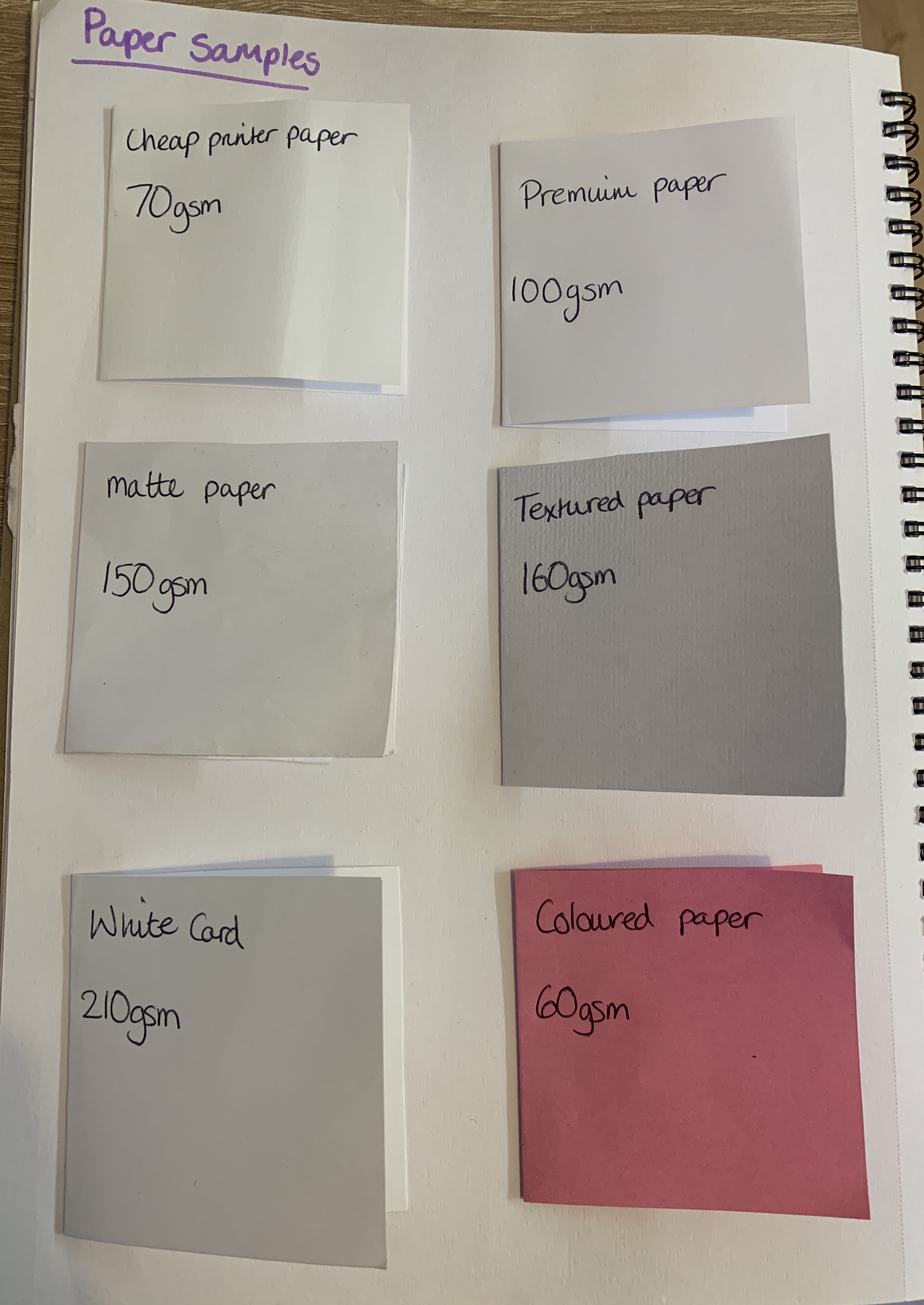
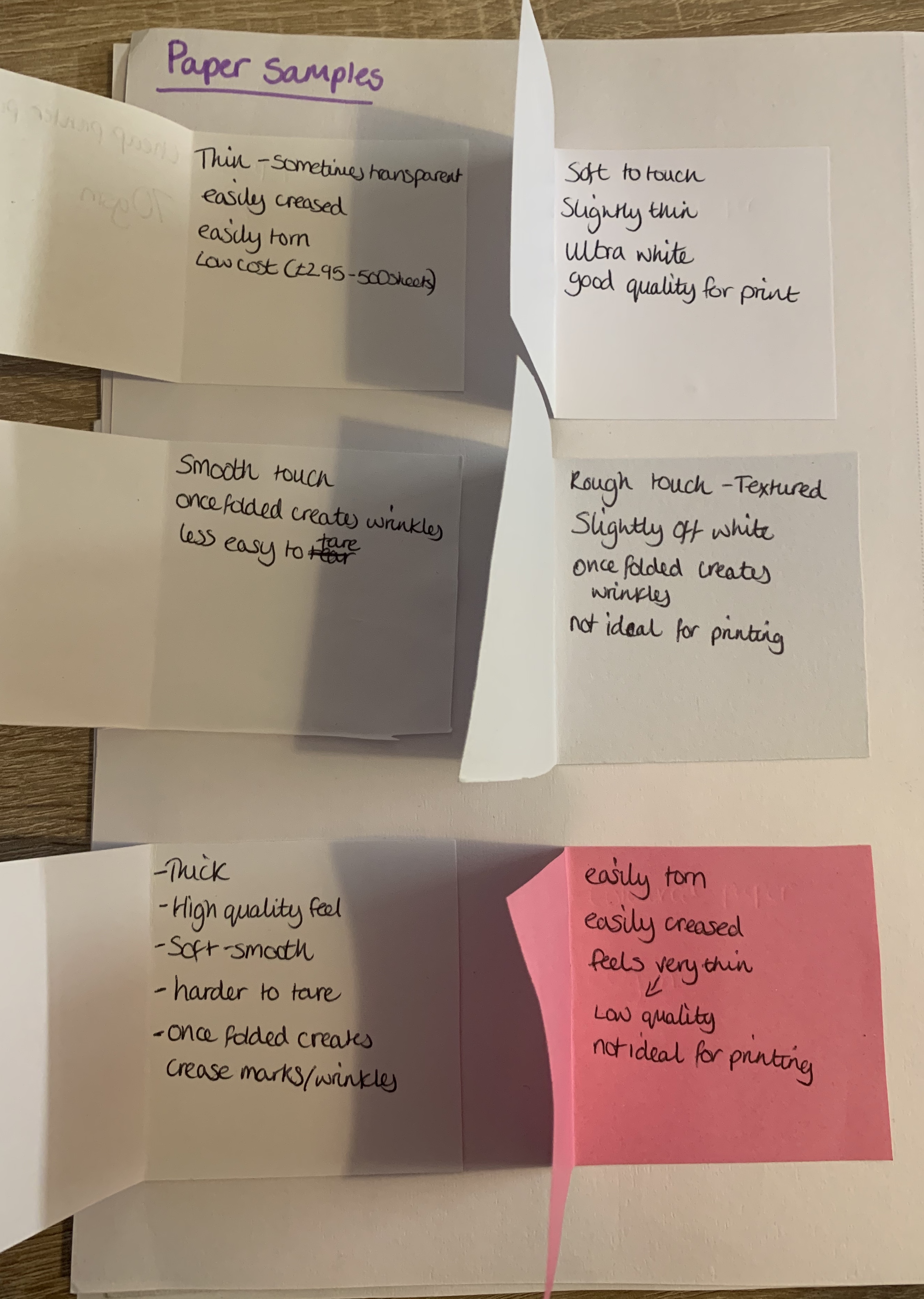
- Cheap printer paper 70gsm – This paper is very transparent, best used for one sided printing only as you can see what is on the other side very easily. It is easy to tear and crease leaving the marks when handled too roughly. However this paper is cheap so ideal for testing out mockups etc.
- Premium printing paper 100gsm – This paper is probably my most preferred. It has a smooth finish, ultra white making the paper look crisp. It is still thin however perfect for regular print jobs.
- Matte paper 150gsm – This paper is smooth to touch yet has a matte finish, the thickness of the paper makes it higher quality as it is less easy to tare and when held it doesn’t flop. Due to the weight, when the paper is folded it creates wrinkle marks along the crease.
- Textured paper 160gsm – This paper came from a sketchpad, so isn’t your typical printer paper, however I have used this paper to print on (for quotation prints in my house) and the results where successful, however this wouldn’t be a recommend paper choice for printing for just regular printing jobs.
- White card 210gsm – This card has a high quality feel with a soft smooth finish. I actually used this paper to print off my wedding invitations. There is no bend to this paper when held and is also hard to tear. Once folded it creates wrinkles along the crease due to its thickness.
- Coloured paper 60gsm – This paper is very thin and quite low quality, it has a slight rough feel and is very easy to tare. You would only be able to print with black ink on this paper, which can give a nice effect however wouldn’t be recommended.
I then looked online at printing companies and requested paper samples from two companies.
Solopress
(https://www.solopress.com/?gclid=EAIaIQobChMImdjAtMiX6QIVFuDtCh3Q8ADoEAAYASAAEgKUM_D_BwE)
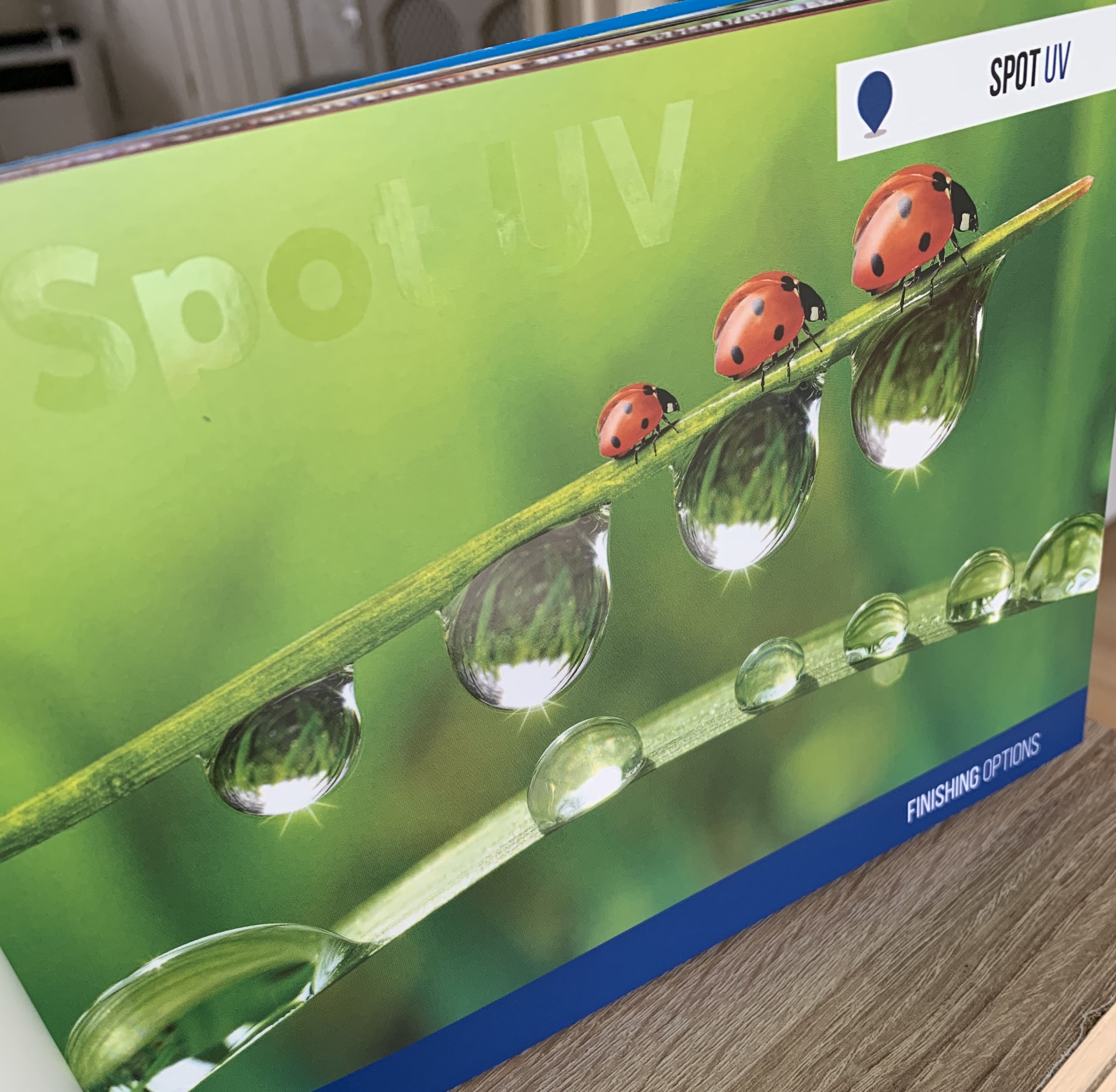
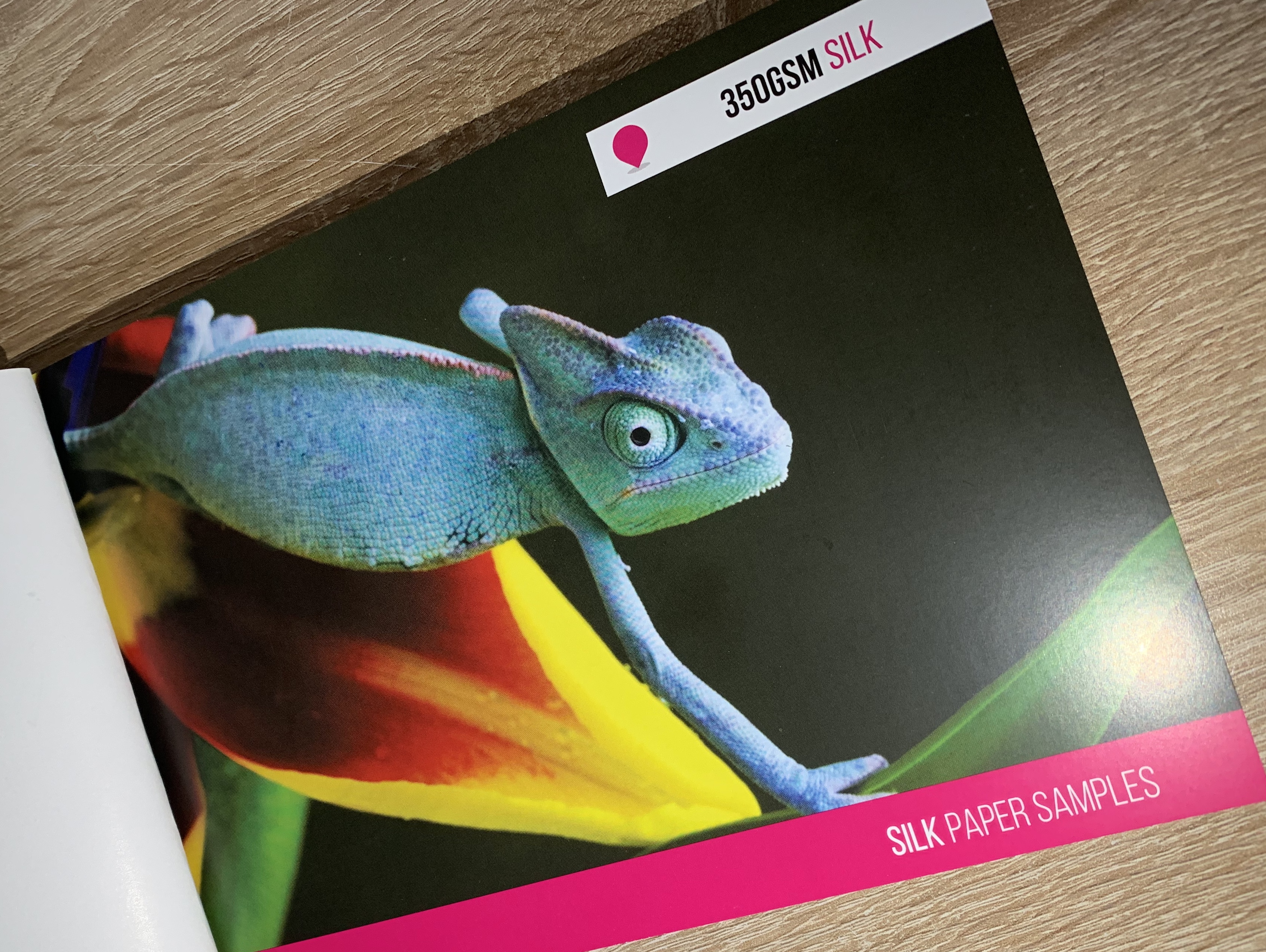
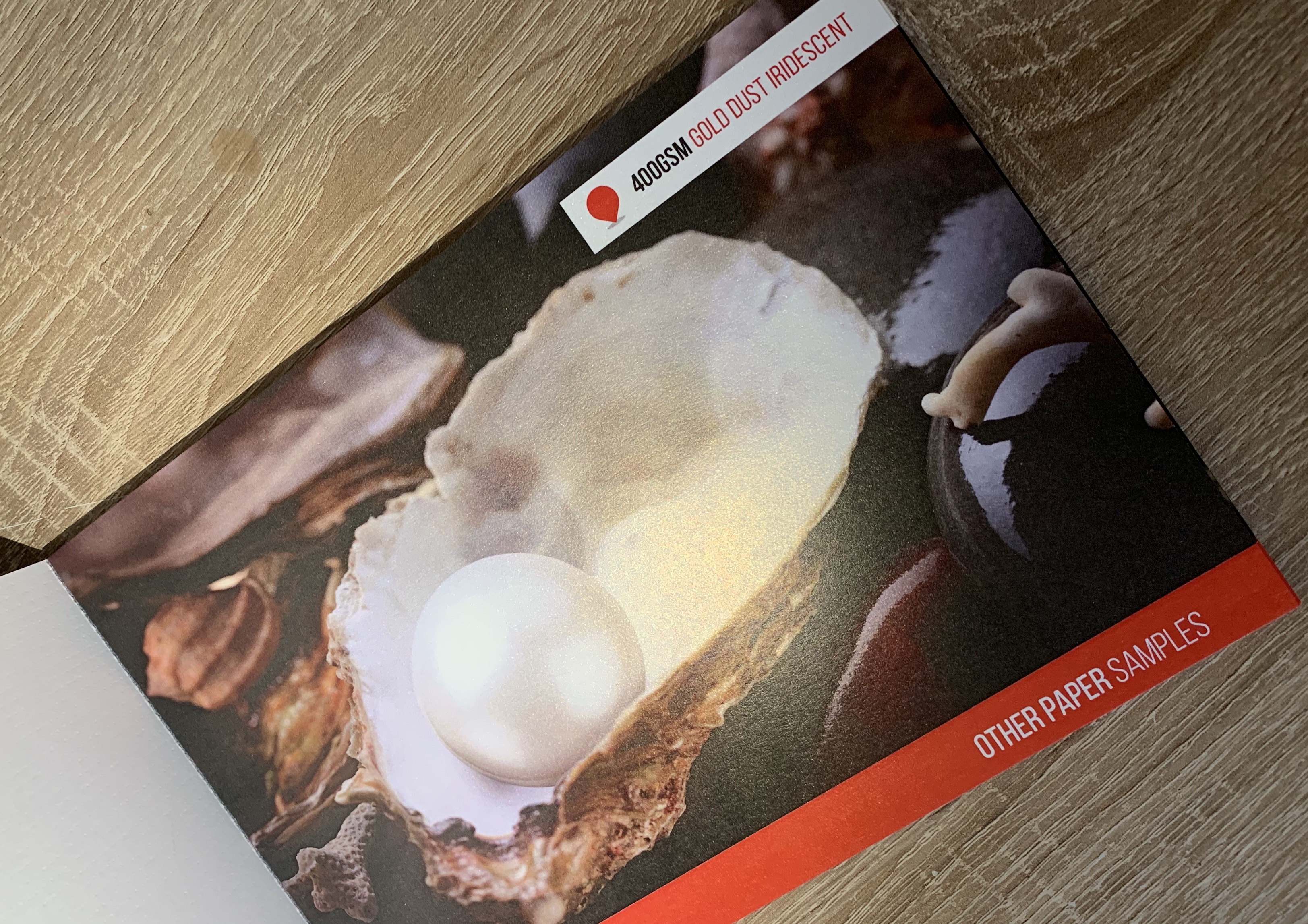
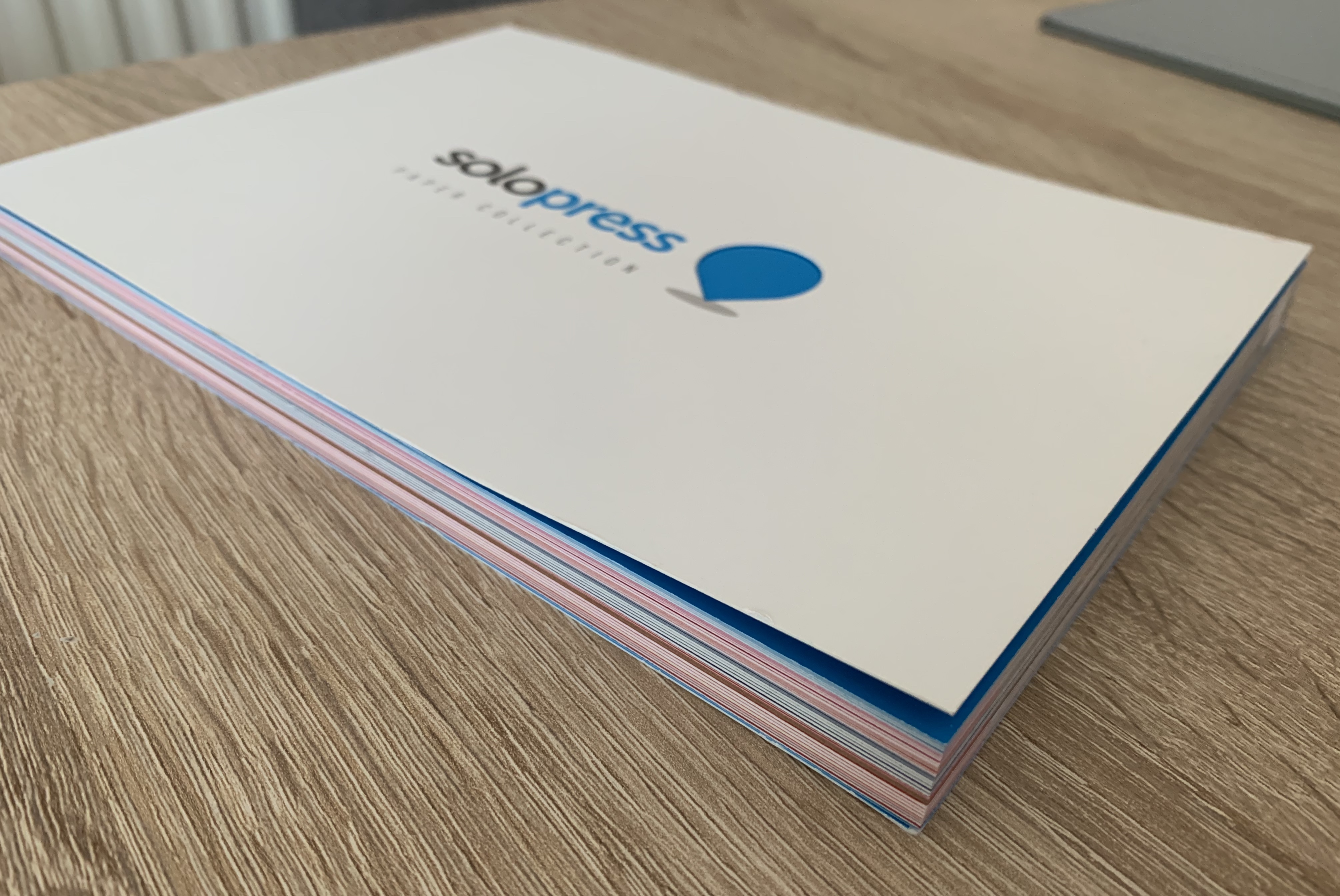
The first company was Solopress who posted out a high quality sample book free of charge! This booklet contains 40 pages showcasing 26 of Solopress’s most popular paper types and weights.


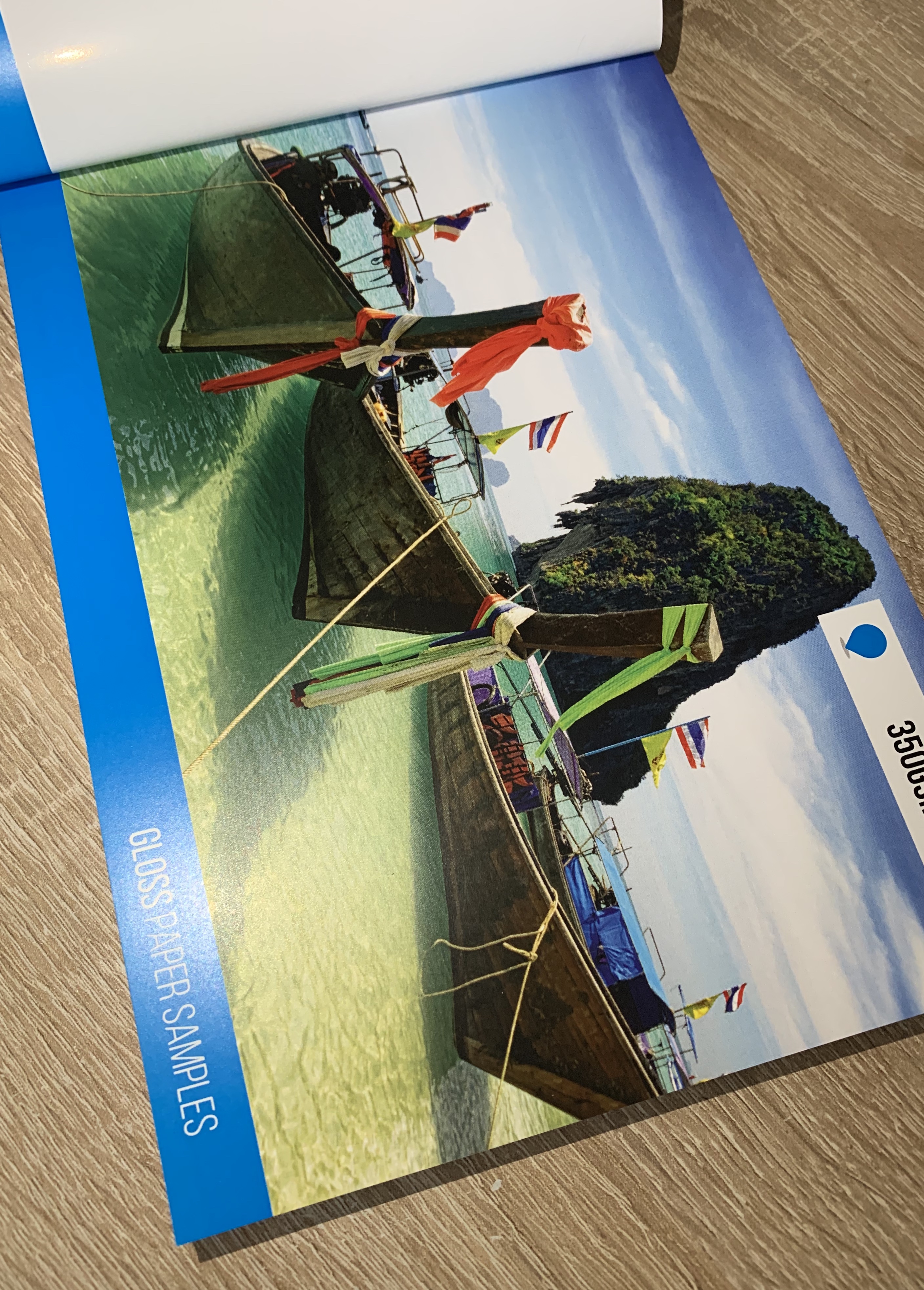
Mixam
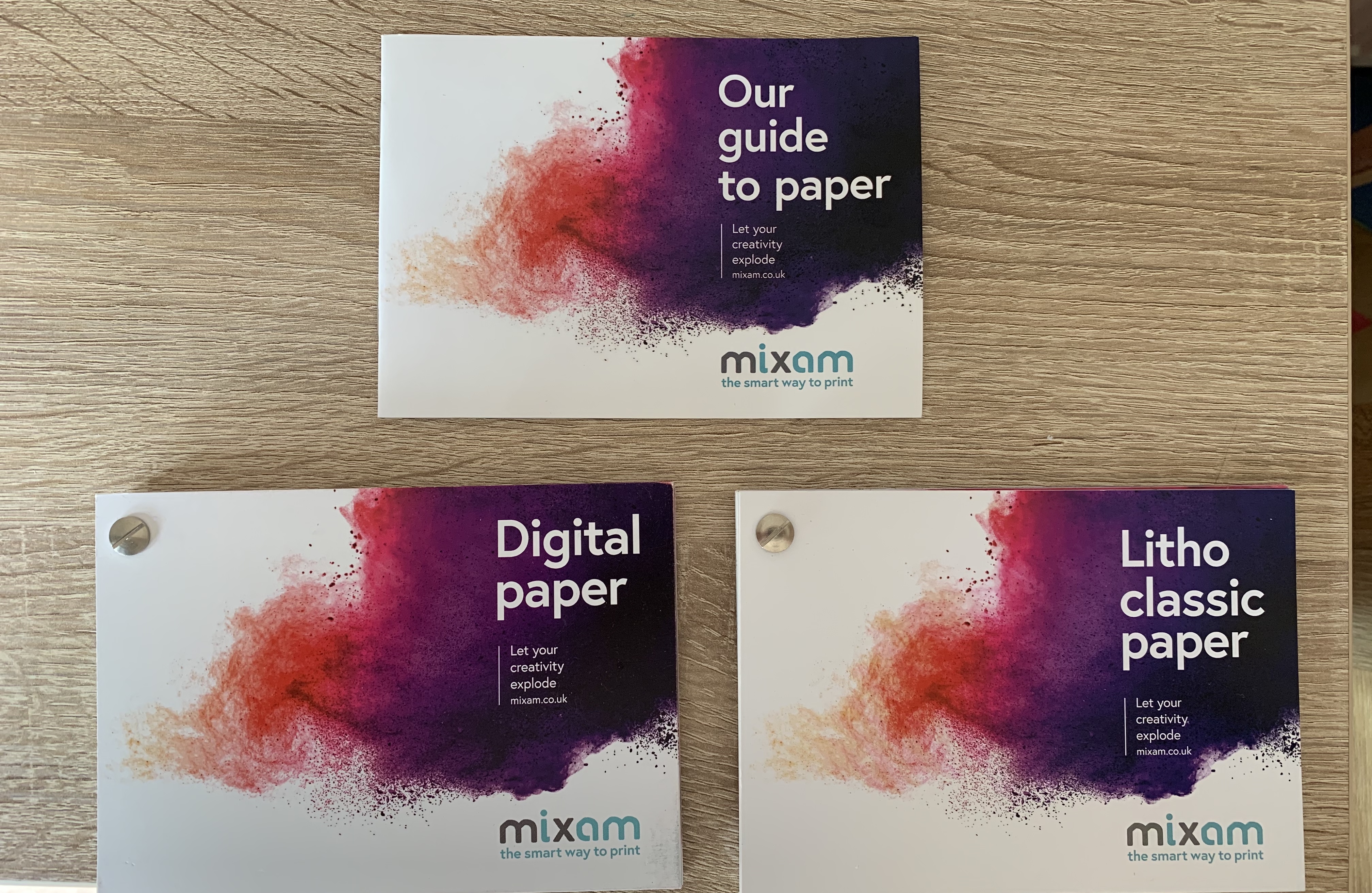
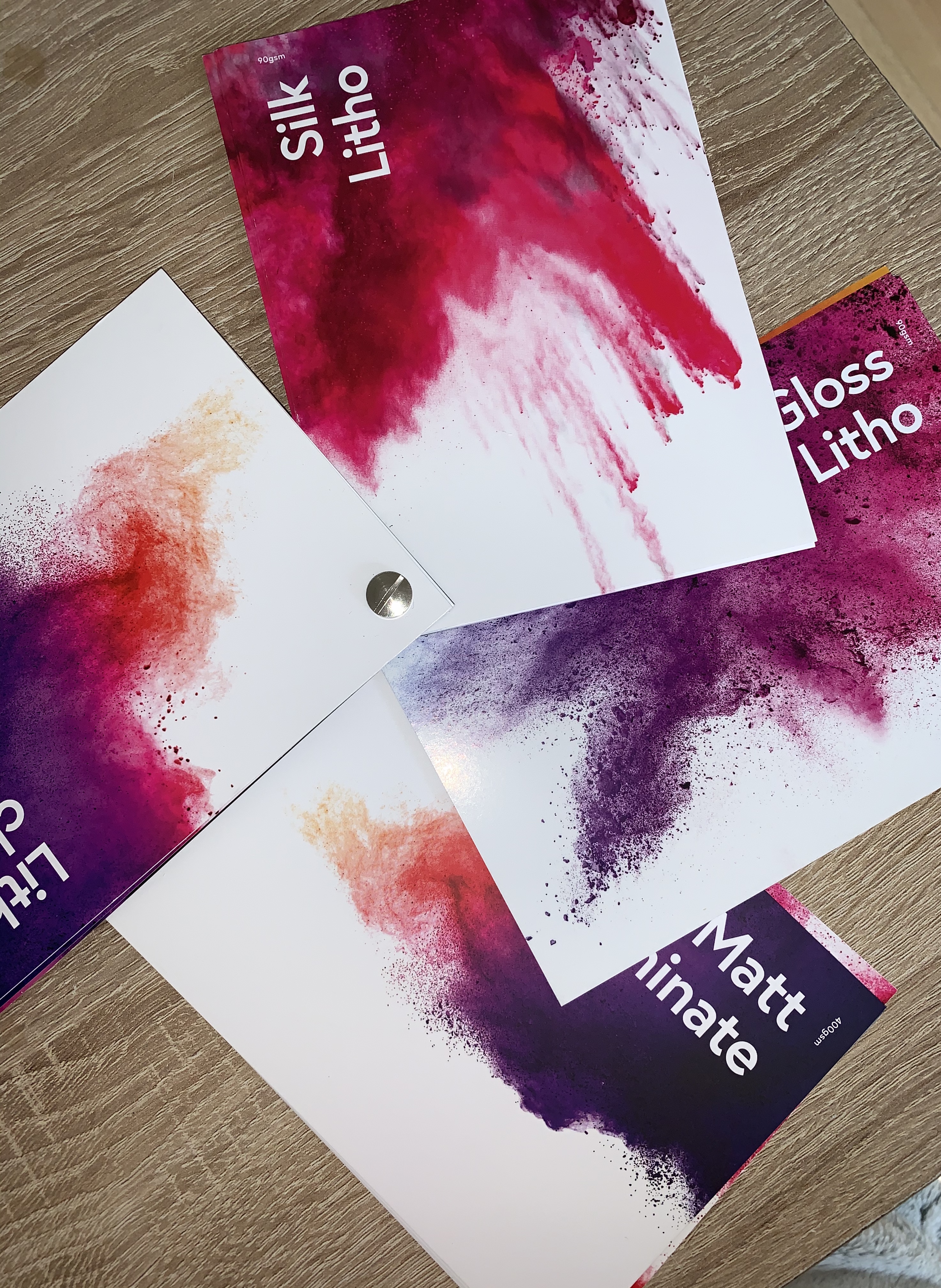
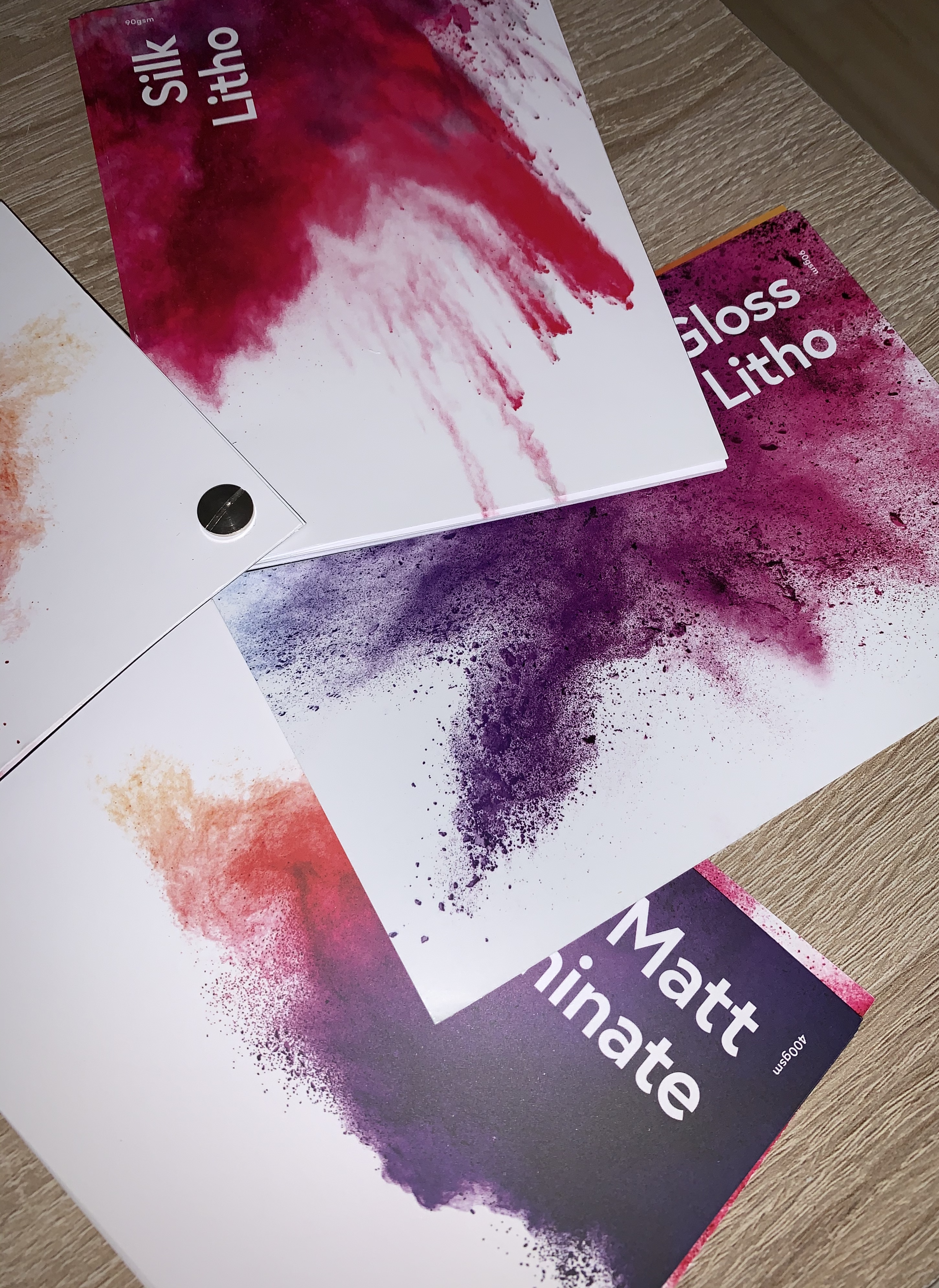
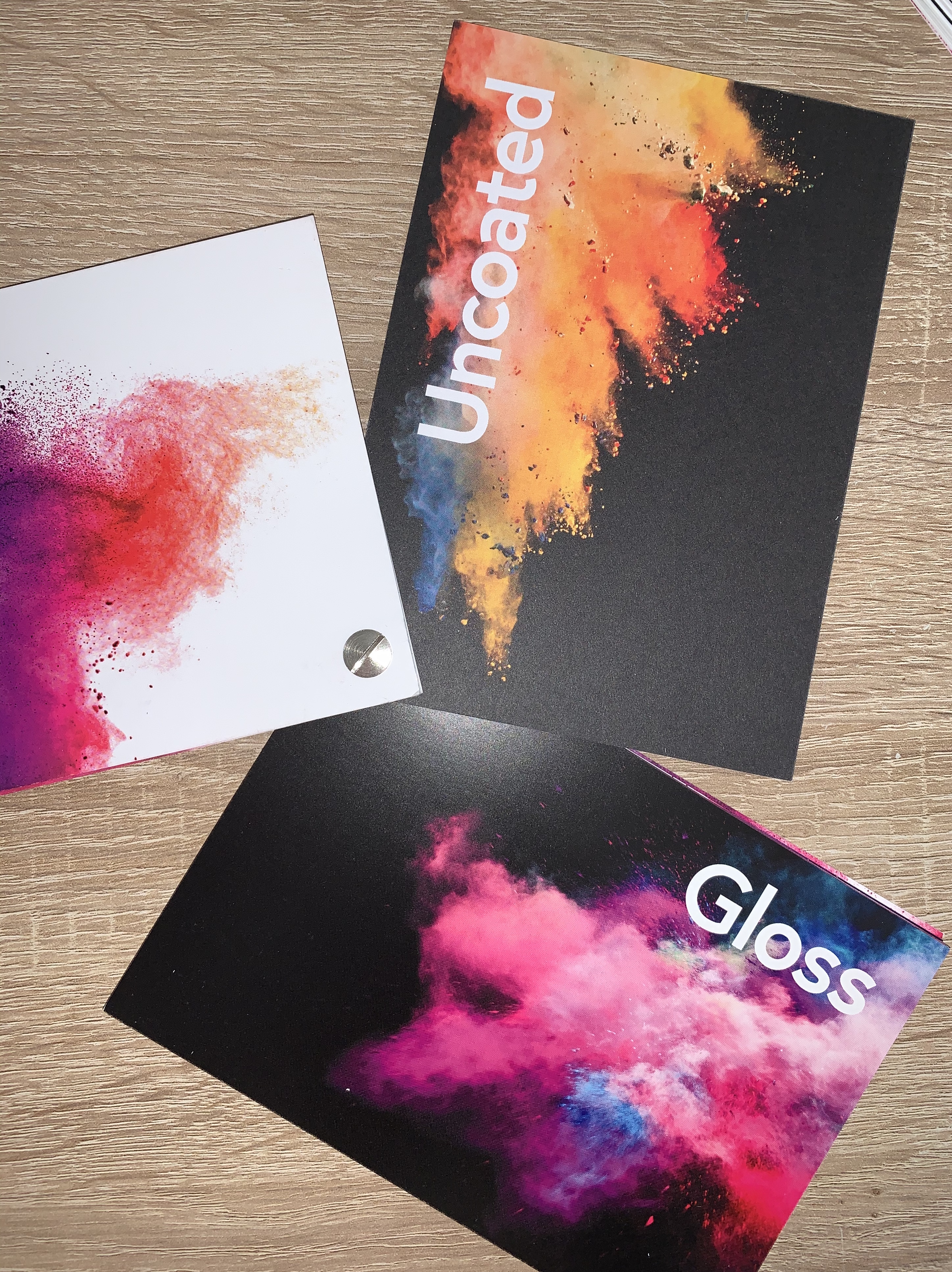
The second print company I requested a sample book from was Mixam. They provided two swatch booklets with 50 pages of different paper types, finishes and weights. Having the booklets made in a swatch format makes it easy to fan out and compare pages without having to flick backwards and forwards.


Reflection
It was useful to look at the papers that I had in the house and to add these notes in my sketchbook, this may come in useful in the future when printing things to achieve the best quality depending on the task. Im glad I requested the two sample books from existing companies, this is a useful tool to see and feel the paper in person and to compare different paper types/weights. Im sure these guides will come in useful for the duration of this course!
 rachaelmayesbook.design.blog