Begin by reflecting upon the sorts of projects, exercises and assignments you have enjoyed most:
- Do you enjoy creative freedom of working with your own text and images from scratch, or do you prefer working with text and images that are provided to you?
- Do you prefer working in a hands-on way, physically manipulating paper and materials, or do you prefer working digitally, laying out the pages and page elements on screen? Which of the subjects covered in this unit have interested and engaged you?
Below are some pointers of what has been covered in this unit, as a reminder. They are very broad areas, so as you’re reading through the list, reflect upon the more extensive content of each. Consider what aspects you enjoyed the most (and the least!) and make notes in your learning log.
Contextualisation – Researching designs and designers.
Typography – Principles and experimentation
Colour – Colour management and working with images
Paper – Properties and qualities
Printing and bookbinding – Processes – traditional, digital
Try to identify a specific topic within one of these subject areas that you are interested in and can look in into with more detail. You might know immediately and instinctively what you want to pursue. You may want to know more about traditional methods of bookbinding, for example, or hand-making paper. You may be interested in the mathematical principles underpinning the Golden Mean and Fibonacci series, and how these principles apple to page layout. You may want to design you own typeface. You may want to extend and adapt one of the projects and exercises you’ve already undertaken on the course.
The focus of your interest may be quite specific. Identify it through this exercise by exploring each of your interests in turn and taking note of your resulting thoughts in your learning log.
My Reflection
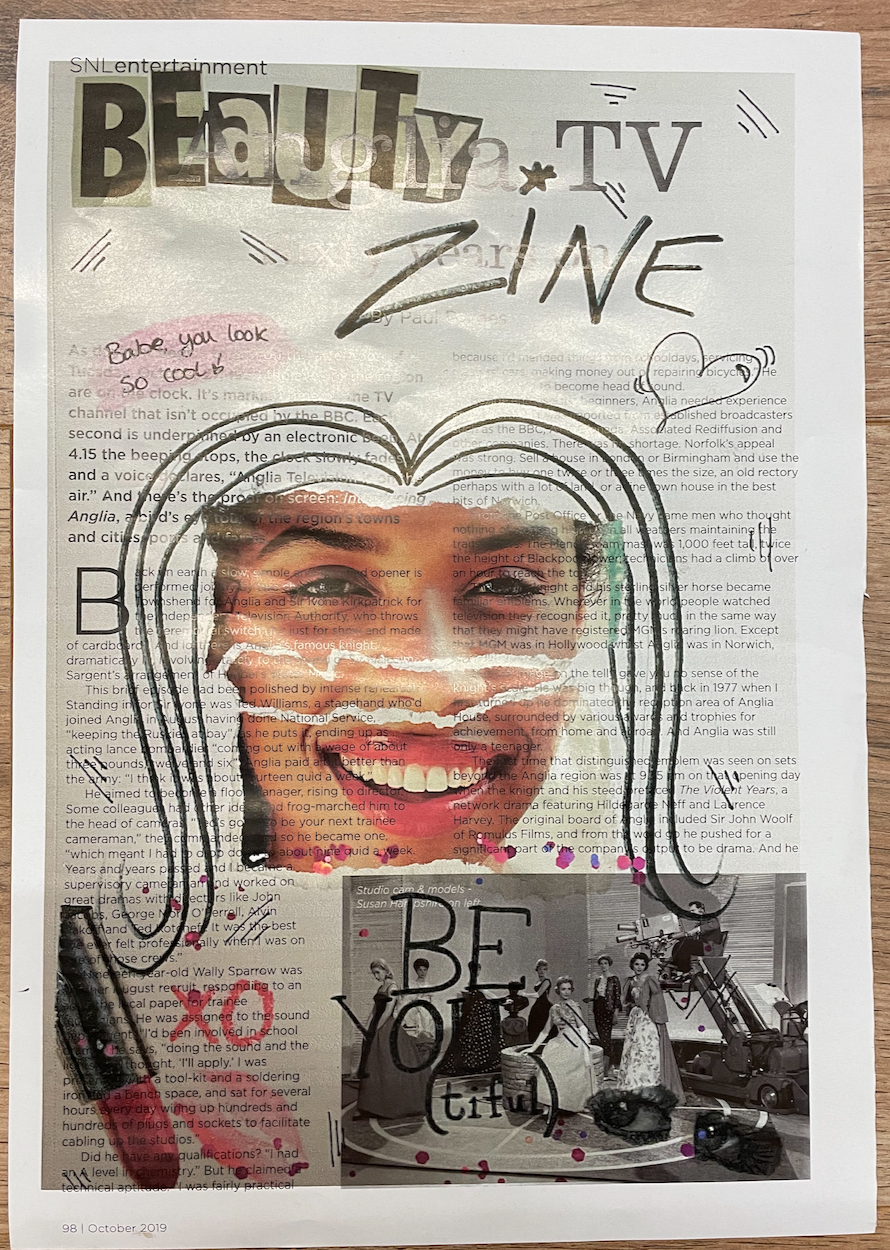
I have found this unit very informative and interesting, I was a little sceptical about it at first as I was worried because I’m not a book reader that I would find it difficult to connect with the work and what I’m being asked to do, but in fact I have really enjoyed myself and the work I have created. I love the creative freedom of working with my own images and text, the work feels much more personal and rewarding when complete – it also builds my confidence and skills. During a number of exercises and assignments we had been given the opportunity to work on a hands on way which I love doing, I feel myself getting stuck into the work more when I’m able to physically experiment with materials and different techniques – I loved the work produced in assignment 4, I became really experimental with ways of altering my book and completely transformed an ordinary book into a piece of art. Another assignment I enjoyed was assignment 1 when we created our zines, I loved making my elements and transforming them digitally. When working hands on I create many happy accidents, something I have learned to take time with as usually if a mistake was to arise I would discard of the work and start again as there is simply no ‘undo’ button to push! But this unit has taught me that not everything should be perfect and that when a mistake happens become creative and try to work with it.
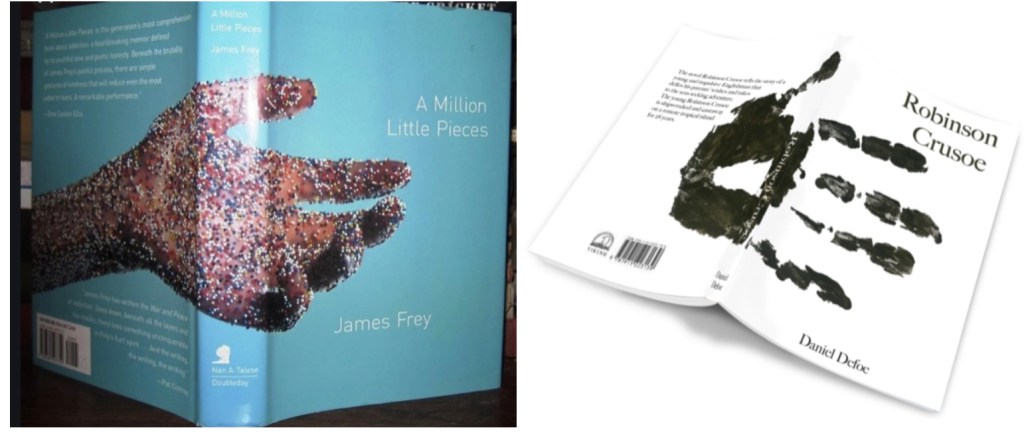
Contextualisation has been something I have been thorough with during this unit as I’ve been educating myself along the way with different designers and their work, I feel by doing so its help me in the understand of designing and has inspired me and reflected in some of the work I have developed along the way. One of the first covers I found which was influential was ‘A Million Little Pieces’ by Rodrigo Corral this reflected in the work created in Assignment 2 (https://rachaelmayesbook.design.blog/2020/06/17/assignment-2-form-and-function/) I was inspired by how the image of the hand wrapped around the book and created something of a similar style for the Robinson Crusoe Paperback design.
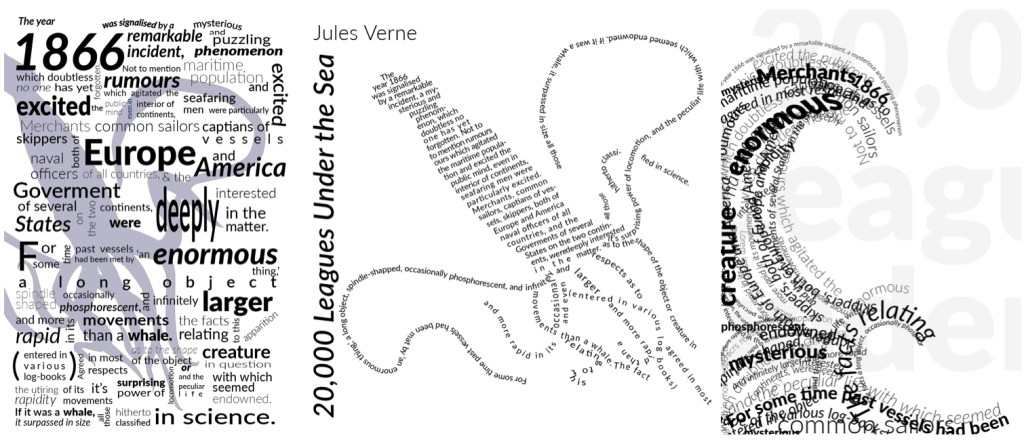
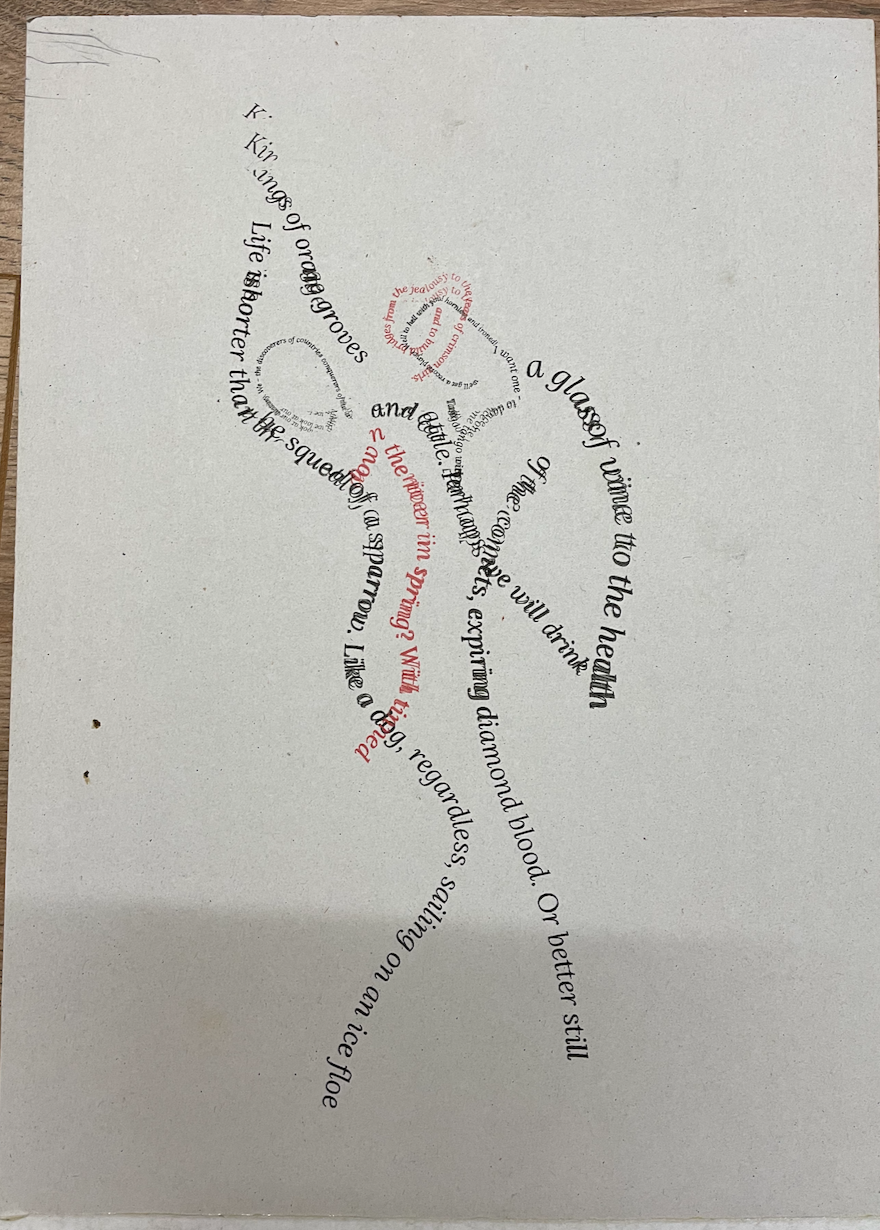
Typography has been something that has always interested me, I particularly enjoyed Assignment 3 (https://rachaelmayesbook.design.blog/2020/08/27/assignment-3-my-little-book-of/ ) where we pushed the boundaries and broke all the rules to create our good and bad books, surprisingly creating bad typography helped reflect on the importance of the good and made me aware of how a simple mistake can sabotage the whole design! Another exercise which I enjoyed was Experimental Typography, this I feel crosses paths with concrete poetry and has been the first time I have experimented with type in this way. I liked how the text also became the imagery becoming part of the composition.
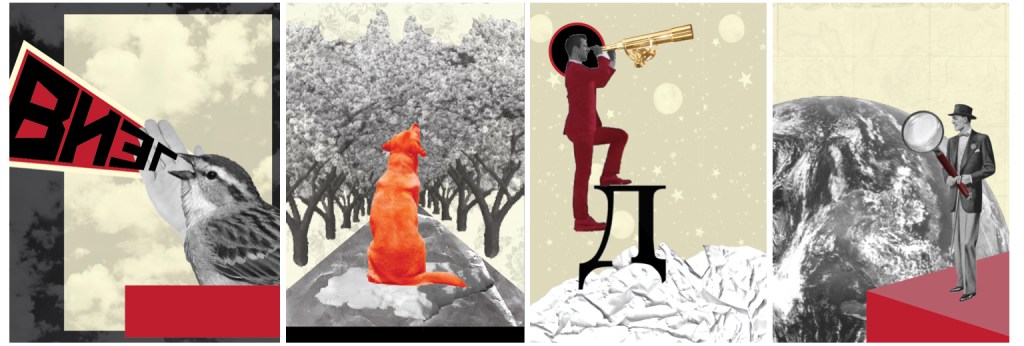
Colour is one of my favourite features to add when designing. It’s important to take into consideration the link between the design and the chosen colour to ensure the correct connection is made. During one of my exercise I decided to stick to a strict colour palette throughout each design following the Russian movement ‘Constructivism Art’ during Exercise 3 Sequencing Images. (https://rachaelmayesbook.design.blog/2020/10/30/exercise-3-sequencing-images/) The use of colour here is minimal yet very apparent and shows close connection between each design.
Paper and print is something I completely underestimated before learning about on this unit, its been very interesting testing out different papers to print on and seeing the results especially in the previous exercise, here I tested out 16 different paper types to see how they printed. This has shown the the importance of paper quality and how it effects the end result of the printed image. I experienced a few printing issues, mainly of the paper not feeding into the rollers however I soon overcome this with assisting the printer myself or placing a regular A4 sheet behind what I was attempting to print onto.
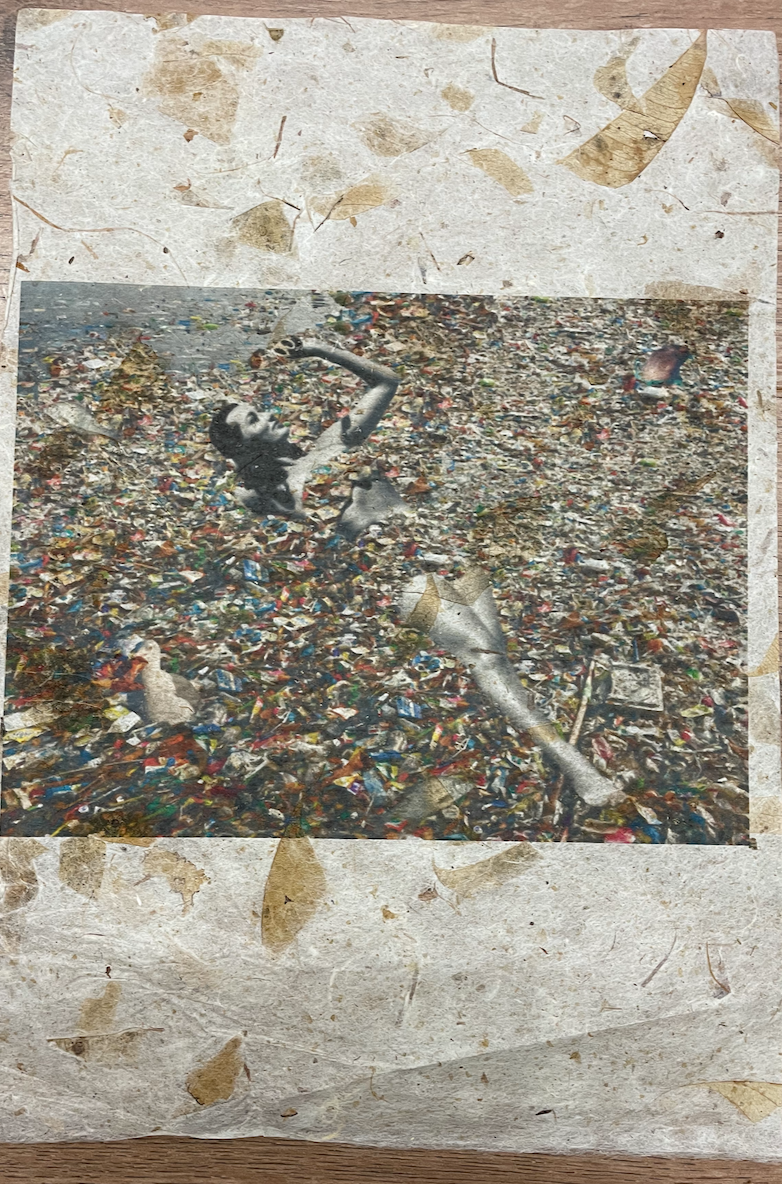
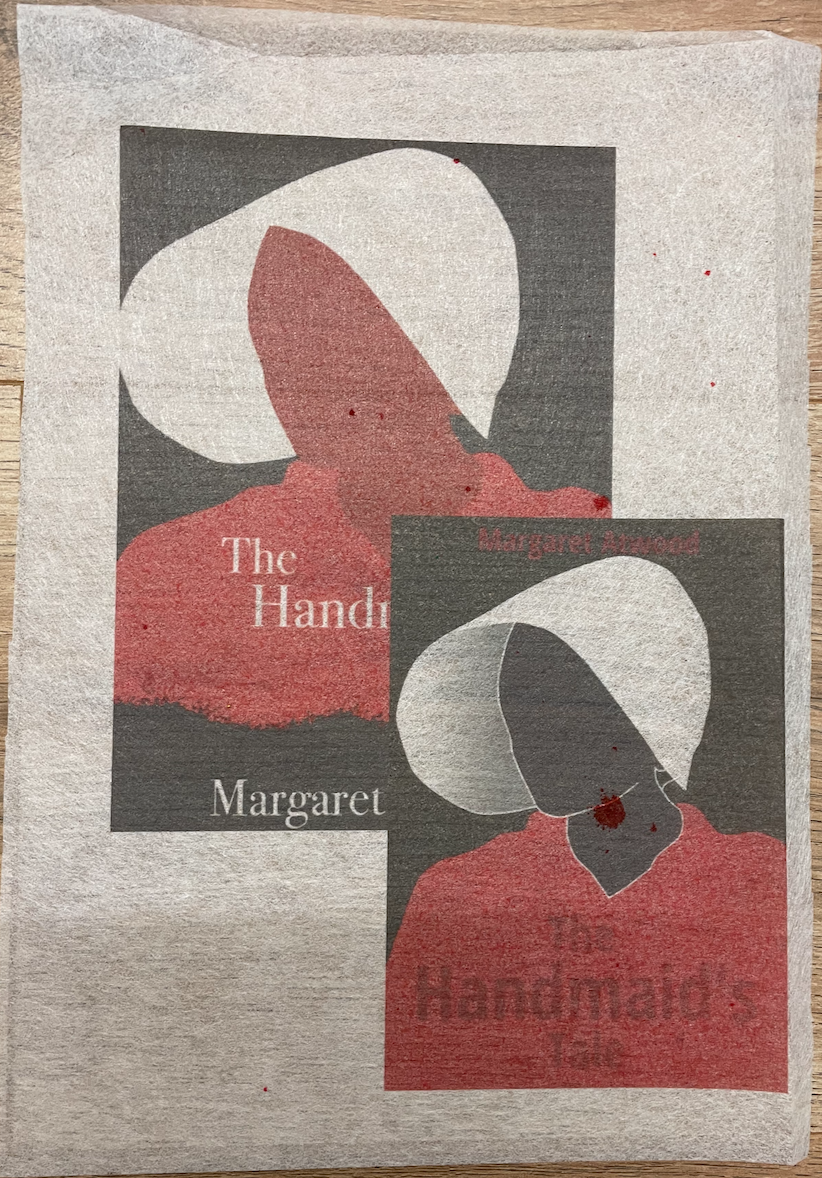
Printing and bookbinding have been very informative and interesting, something which interested me more than I imagined. The skills I have learnt from book binding will stay with me and I will feel confident enough to use these techniques on future projects when appropriate. Exercise 4 Collating and binding ( https://rachaelmayesbook.design.blog/2020/10/30/exercise-4-collating-and-binding/ ) encouraged us to test out different binding techniques, I found all techniques successful and easy to follow with the encouragement of tutorials found online. I’d like to think once lockdown is over I can look and experiment further into different printing techniques such as screen printing, etching, litho etc, however with lack of supplies and equipment available this has proven difficult, but its always something I will consider looking at in the future which could come in very handy for designs in creating different looks when printing.
Looking back and revisiting the work I have created I have been able to see how far I have come and how much I have learnt along the way. I have had some ups and downs with connecting to the work that’s been set however I have eventually found my way and produced work which i feel satisfied about. I have most enjoyed the altering of books and collage tasks (such as zine) within this unit and i believe that shows in my work. I wasn’t too keen on the Golden mean and Fibonacci series, to me this was very difficult to fully understand and get my head around, I would of liked to see more information in our course materials about this but i eventually pushed my way through, it just took me longer than expected. Overall this course has expanded my knowledge and skills and I have enjoyed learning and creating the work set in the briefs! I am very glad to of chosen this unit.
 rachaelmayesbook.design.blog