Brief 1: Browse the American based Smithsonian Libraries’ Artist Book achieve to identify books that you find interesting or questions the notion of the book in some way. Document visual examples of work you find interesting with annotations in your learning log.
I started off by researching what artists books are, I found the introduction on the Smithsonian Libraries’ Artist Book website helpful to get an idea of what they are and what they include. (https://library.si.edu/collection/artists-books/introduction)
Artists’ books are works of art which are in the form of a book. They are often published in small editions or sometimes produced as one of a kind artworks. There are fine artists who make books and book artists who produce work exclusively in that medium, as well as illustrators, typographers, writers, poets, book binders, printers and many others who work collaboratively or alone to produce artists’ books. Artists’ books that maintain the traditional structure of a book are often known as book art or book works, while those that reference the shape of a book are known as book objects.
Hansel & Gretel by Virginia Flynn & Joe Freedman
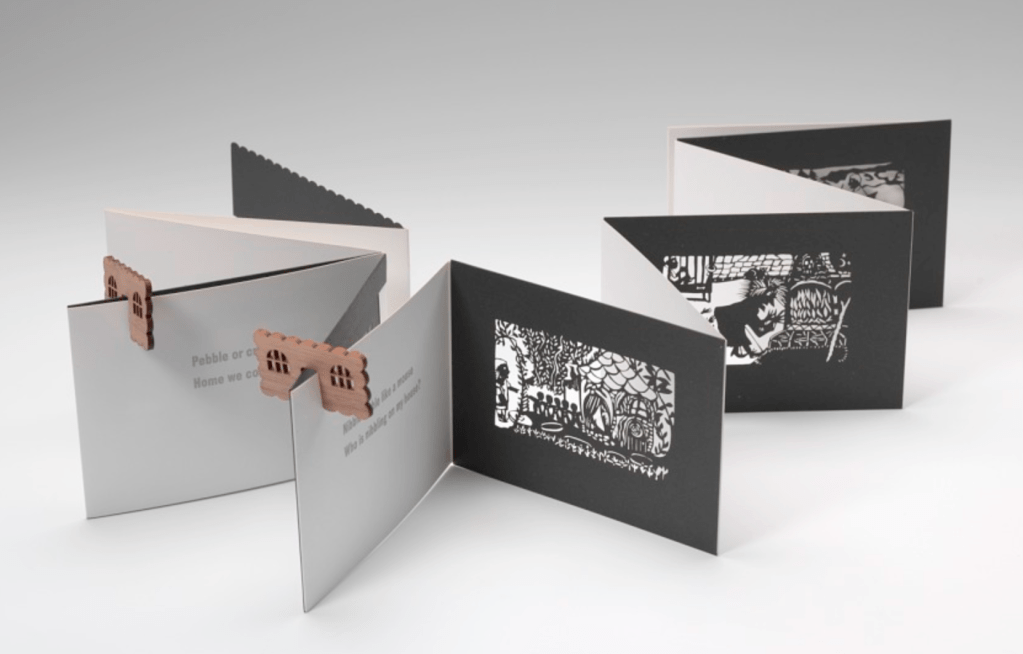
Hansel & Gretel : a shadow theatre book / / Virginia Flynn ; design and concept by Joe Freedman. https://siris-libraries.si.edu/ipac20/ipac.jsp?term=39088016913071&index=BC
The first artists book I discovered was the Hansel and Gretel book, I was initially attracted to this by its opening. Upon investigating further I discovered that the pages are laser cut, the book can be read as a book or shine a light through the pages to project the artwork’s shadow onto a wall! I like the idea of this book being able to be viewed in two completely different ways.
The Quilts of Gee’s Bend by Carolyn Shattuck
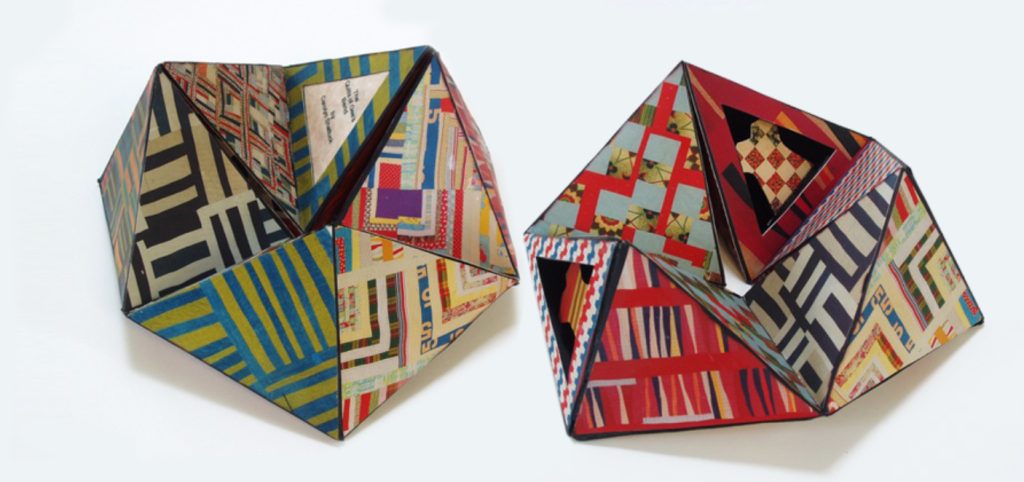
The Quilts of Gee’s Bend by Carolyn Shattuck. http://collections.si.edu/search/detail/edanmdm:siris_sil_997262?q=flexagon&record=2&hlterm=flexagon
This artist book is very interesting and totally unique, it draws you in by its unusual appearance. The prints used in this artist book are inspired by quilts of the African American women from Gee’s bend. I wanted to research this artist further as I have found her work very interesting and peculiar.
I searched in Carolyn Shattuck in the hope to find more of her work and came across her website (http://shattuckgallery.com/book-arts-portfolio) here show’s Carolyn’s portfolio. I enjoyed looking through her work so see her other artist books, I have selected a few more pieces which I find inspiring.
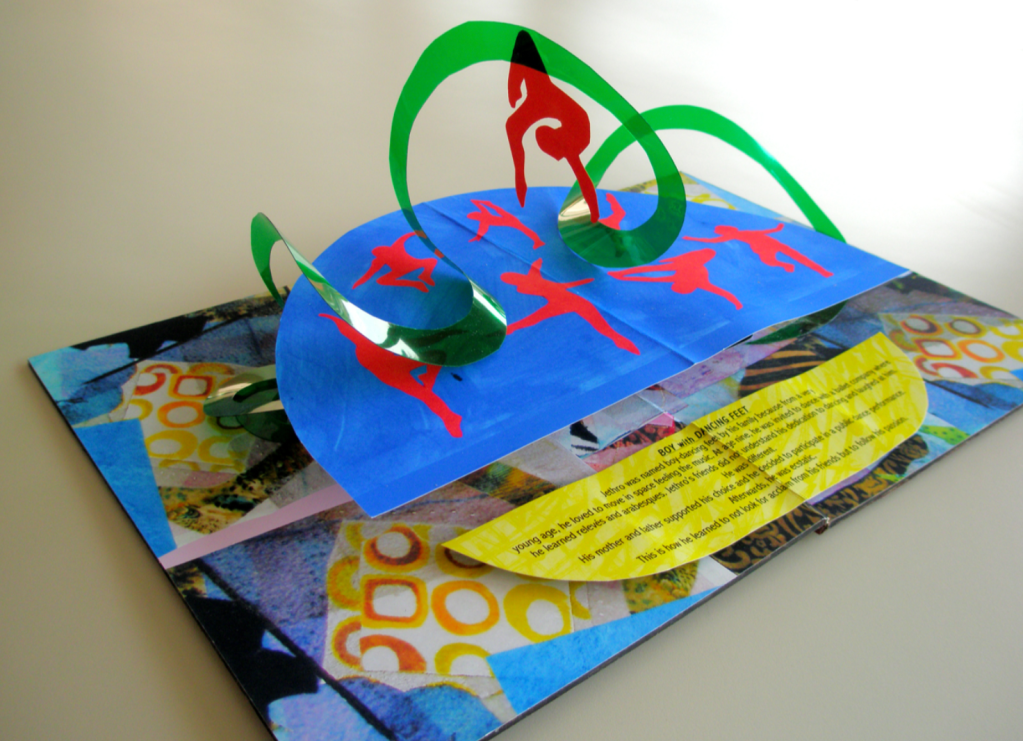
Boy With Dancing Feet
“Boy with Dancing Feet was created to acknowledge the talent and courage shown by male dancers to pursue their passion.” I find the pop up aspect of this book interesting, I feel it grabs your attention. The colour pallet used is also strong, the dancers really stand out.
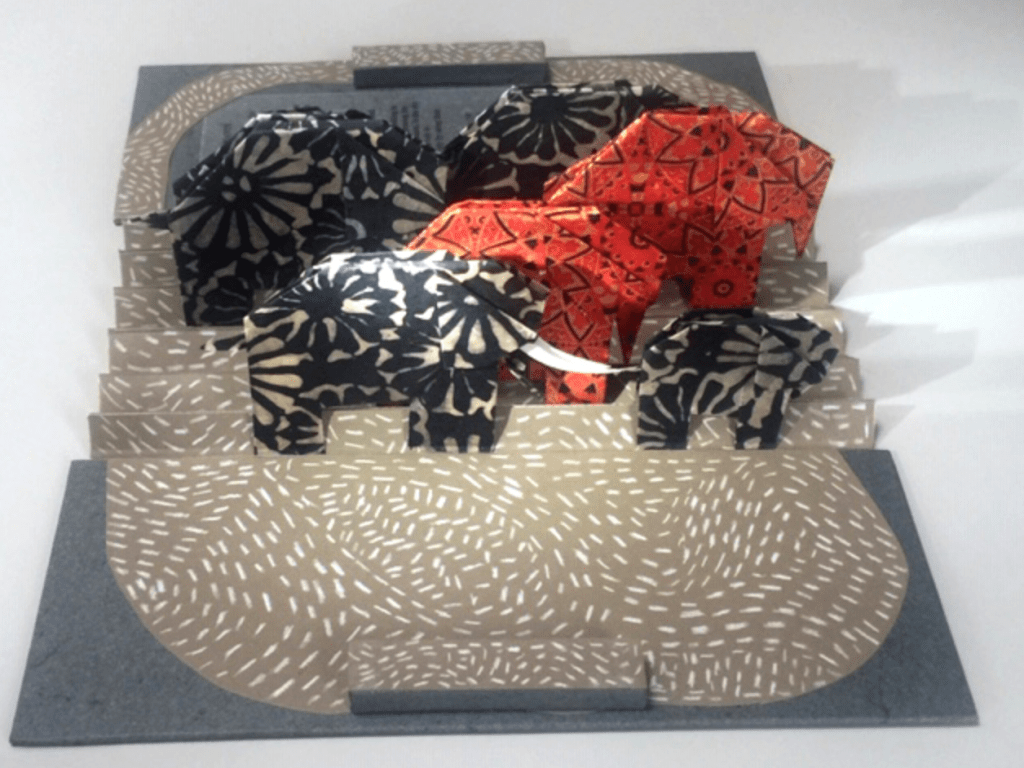
Save the Elephants
“Save the Elephants was designed to bring awareness of their struggle as the population is rapidly declining due mainly to poachers.” Initially I was drawn to this artist book by the carefully crafted origami elephants. I feel that this carries an important message in regards to the safety of the elephants in the wild.
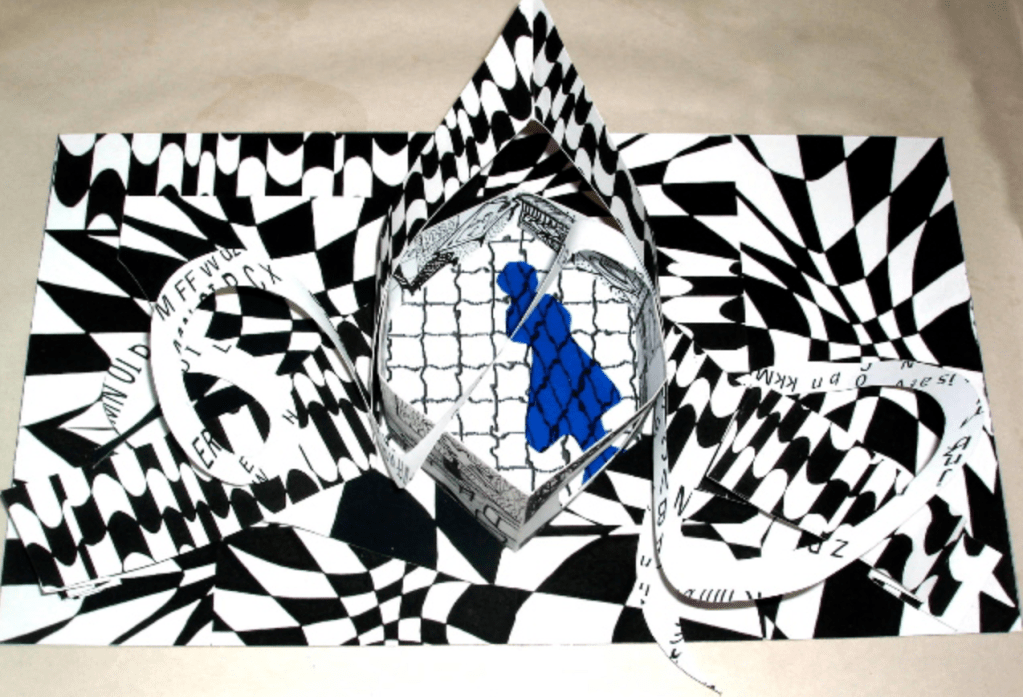
He Had No Words
“A patterned description of a person who suffers from distorted thinking such as Dementia.” The background of this book is very eye catching, after reading the idea behind this artwork I can understand the thought processes of Carolyn’s work, with everything appearing unclear, confusing and overwhelming for the viewer, just as someone with Dementia feels on a day to day basis. It also appears that the centre contains a person who’s looking trapped standing behind a fence, this must be representing how people have the feeling of being trapped due to the illness.
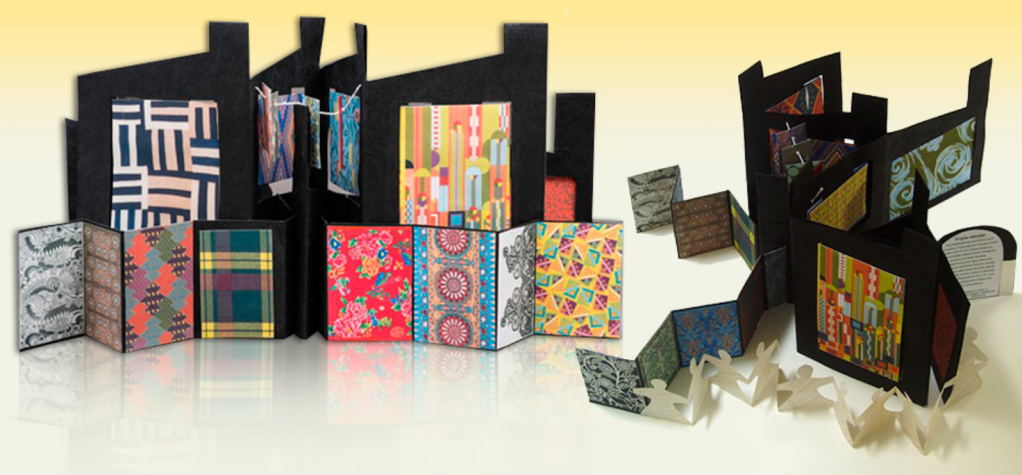
Triple-Decker
“The interweaving accordion book represents Triple-decker houses which were built in the United States to accommodate newly arrived immigrant workers and their families. The apartments are decorated with textiles, fabric and tiles that are visually integrated with those of other ethnic families signally a wide range of diversity.” There seems to be a lot going on within this artist book, but that is why I find it interesting. I like the use of the bright bold colours and patterns on the black paper. I would love to be able to examine this book in person as from the images it isn’t very clear where one part stops and the other starts. It appears that the larger folded books centre has the smaller book attached with the paper people chain connecting. Very busy and confusing but very interesting and intriguing.
Gifts from our elders by Kerry McAleer-Keeler
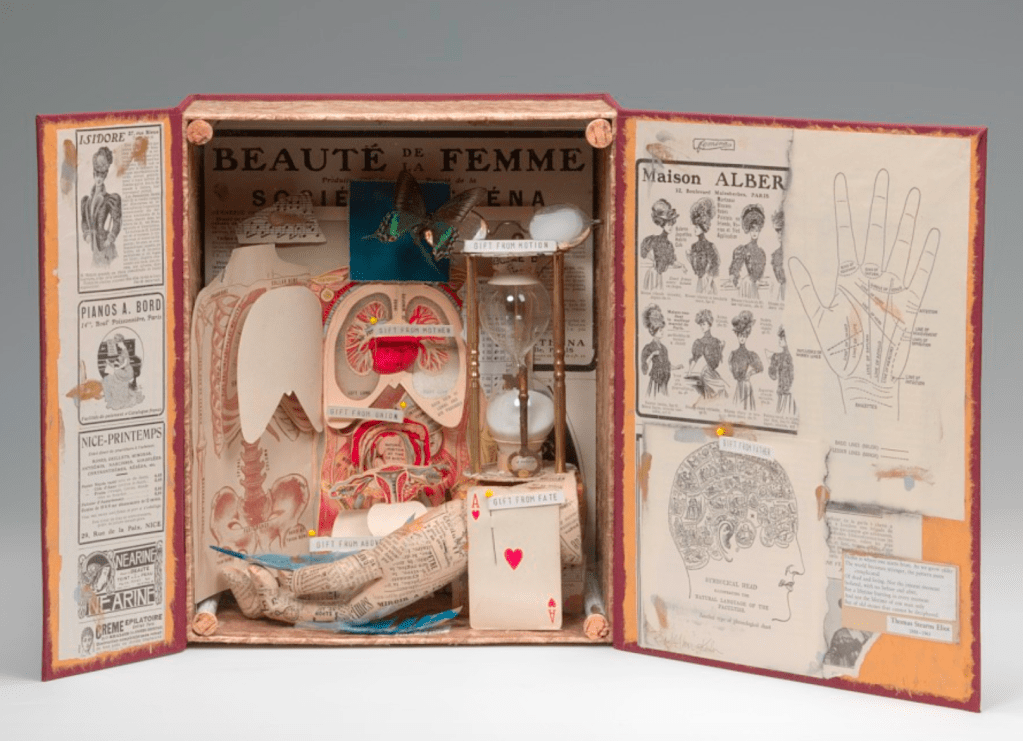
Gifts from our elders / / by Kerry McAleer-Keeler. https://siris-libraries.si.edu/ipac20/ipac.jsp?term=39088011864600&index=BC
This is very different to other artists books that I have researched, I like the fact that this artist book looks like its a keepsake box, containing items of which could belong to someone from the medical industry. However the true meaning behind this book is the reflection of family history according to the artist. “Gifts is a book object that pays tribute to the tings that are given to us through heredity and the gift of life.”
Plinitude by M.L Van Nice
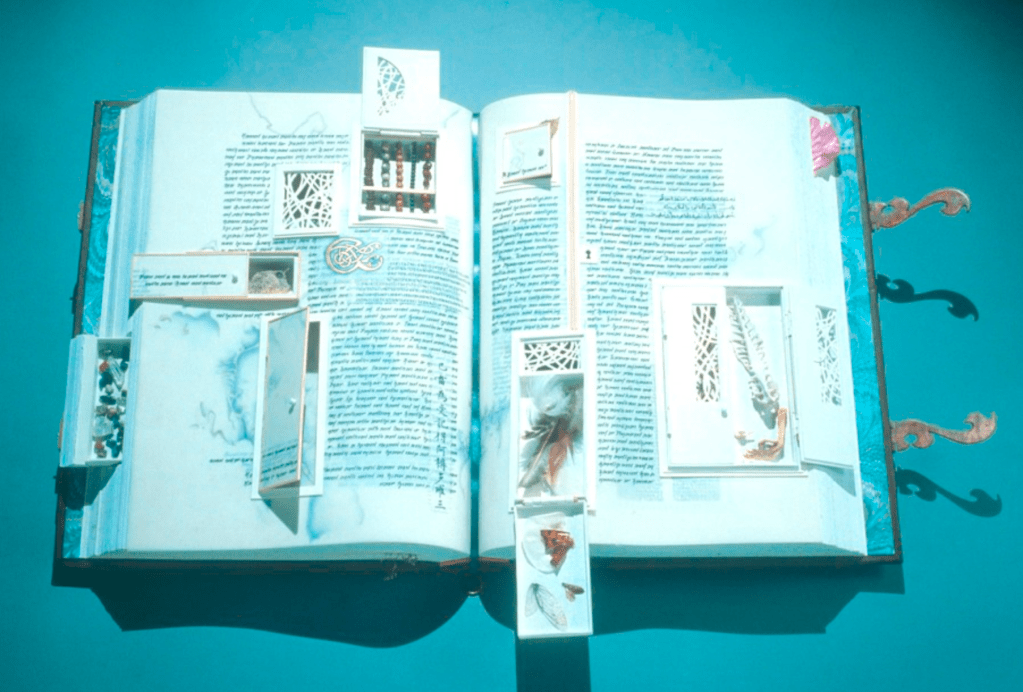
Plinitude // M.L. Van Nice https://siris-libraries.si.edu/ipac20/ipac.jsp?term=39088012447967&index=BC
I was drawn to this book with an interest as to what was behind the little doors in the pages, upon further inspection I found that this artists book is constructed from insect wings, feathers, seeds, bones and wood. This gives the book an educational/informative artist book.
Brief 2: Explore fanzines in more depth by reading Teal Trigg’s chapter Definitions and early days (pages 6-43) from her book Fanzines: A do-it-yourself revolution (2010). Document visual examples of work you find interesting with annotations in your learning log.
I found Teal Trigg’s Fanzines interesting and full of information on fanzines. Before reading this I wasn’t too sure on the term ‘Fanzines’ although after looking at the examples I can recall this particular style of work, especially those of the punk fanzines.I love the cut and paste, DIY style of some of the fanzines circulating, with the rough edges of the torn pages and the miss-match of typefaces used as some of the titles and the use warped/doodled political imagery.
A Fanzine is a non-professional and non-official publication produced by enthusiasts of a particular cultural phenomenon, such as a literary or musical genre for the pleasure of others who share their interest. Typically publishers, editors, writers and other contributors of articles or illustrations to fanzines are not paid. Fanzines are traditionally circulated free of charge, or for a nominal cost to defray postage or production expenses. Some fanzines are types and photocopied using standard home office equipment. A few fanzines have developed into professional publications (sometimes know as prozines).
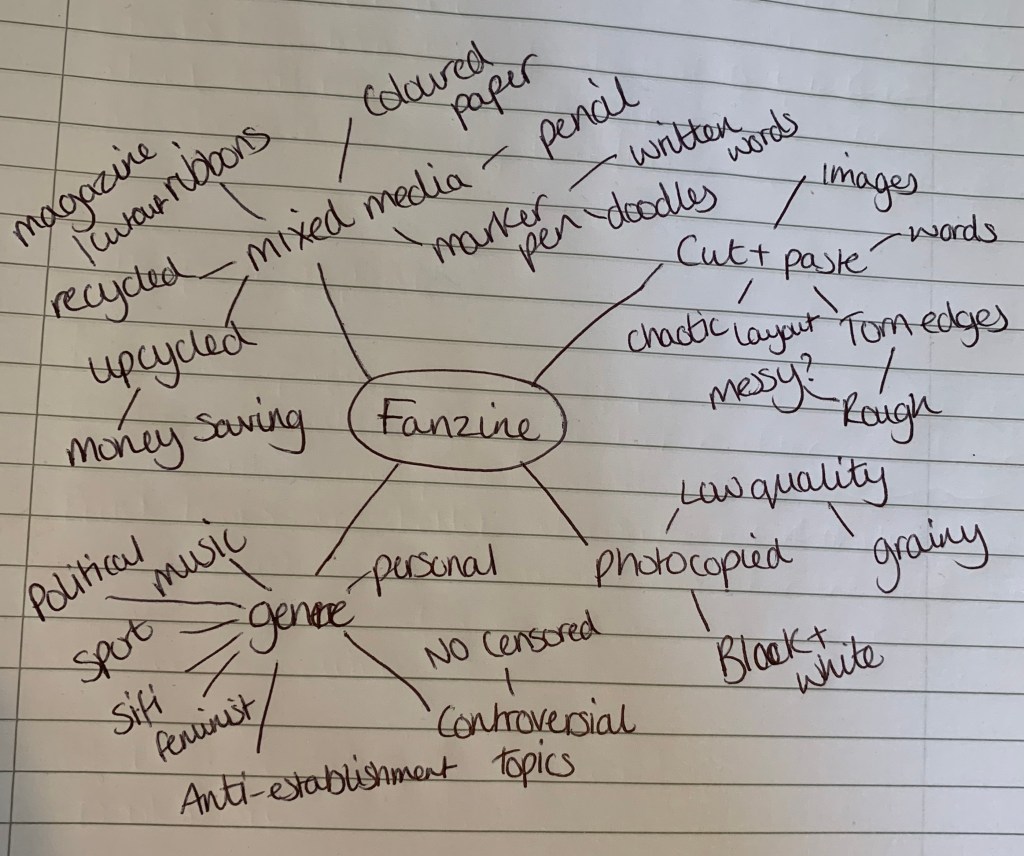
Fanzines have a set of stereotypical traits that help to classify the genre of the ‘zine’ these include;
- Photocopied images and text
- Cut and Paste technique
- Black and white
- Handwritten text/doodles
- Mixed media
- Controversial topics – nothing is censored as with magazines who are afraid of upsetting advertisers.
I wanted to look at a few different popular genre of fanzines, to see how they differ between each other.
Punk Fanzines
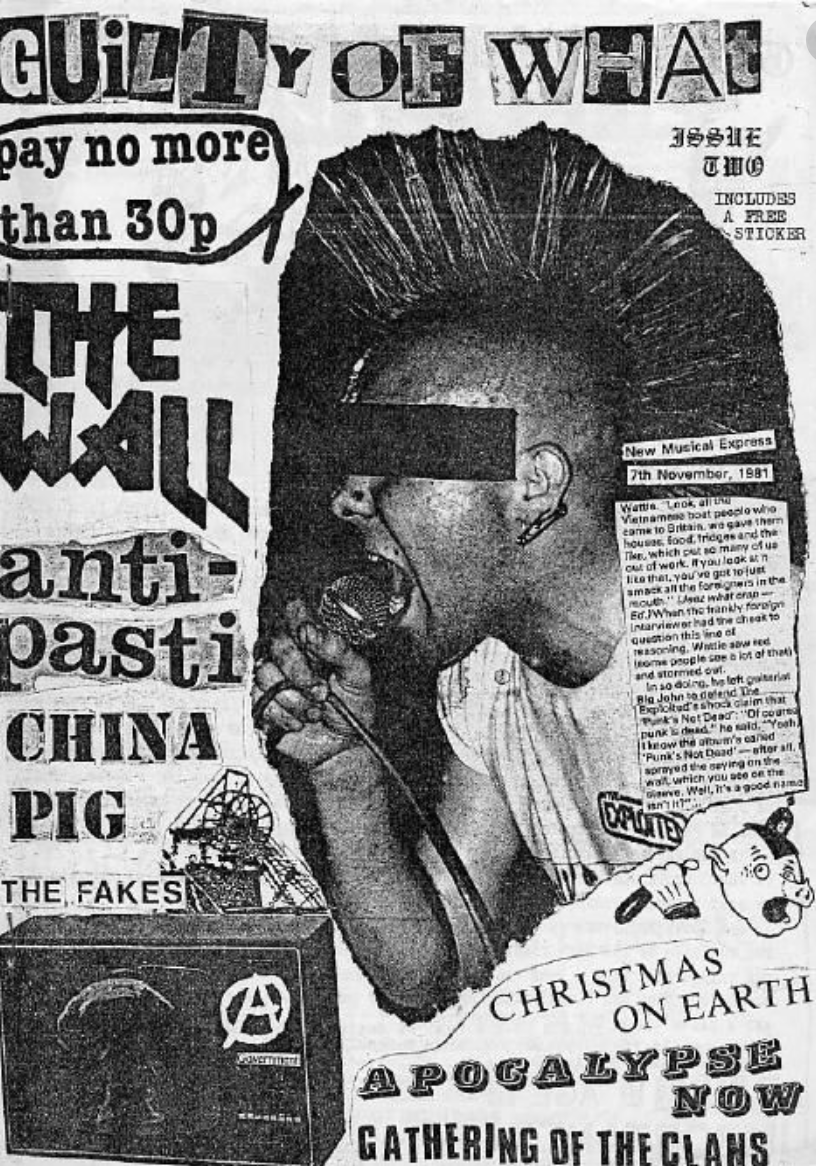

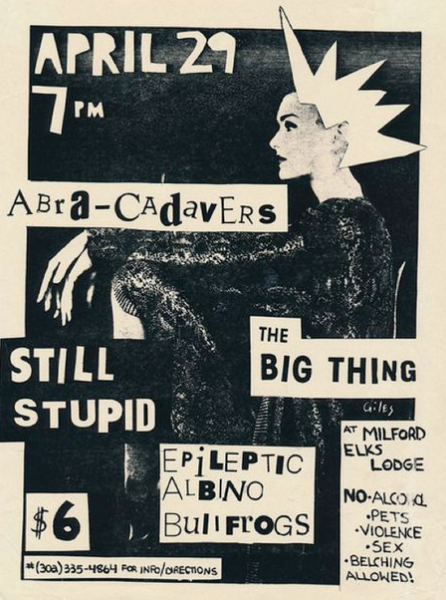
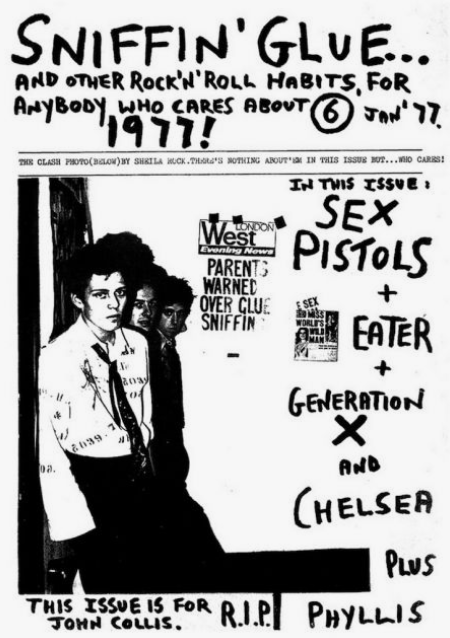
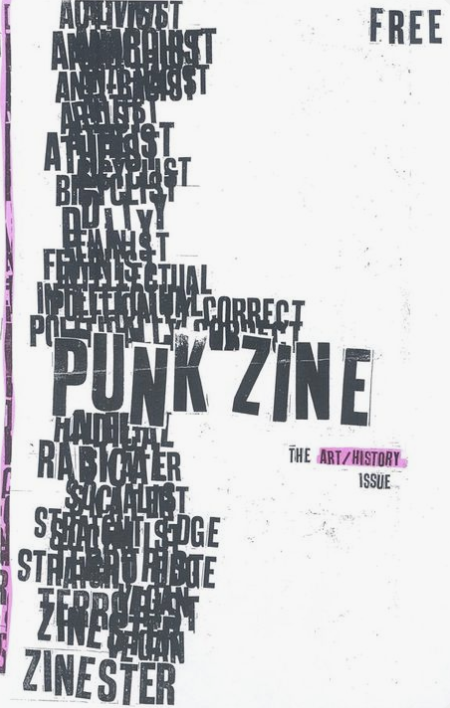
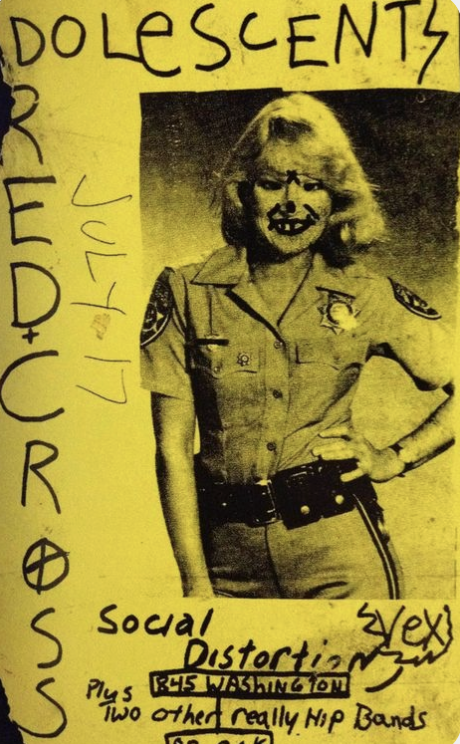
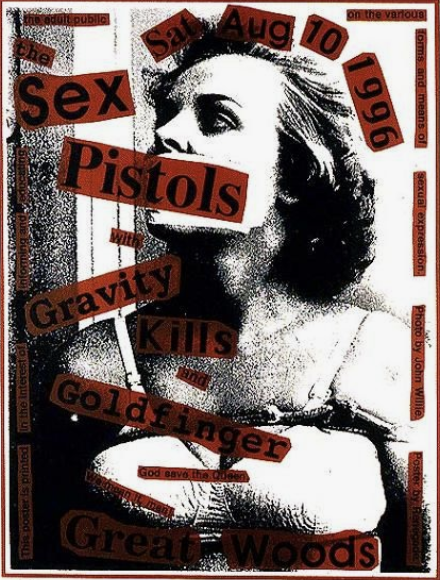
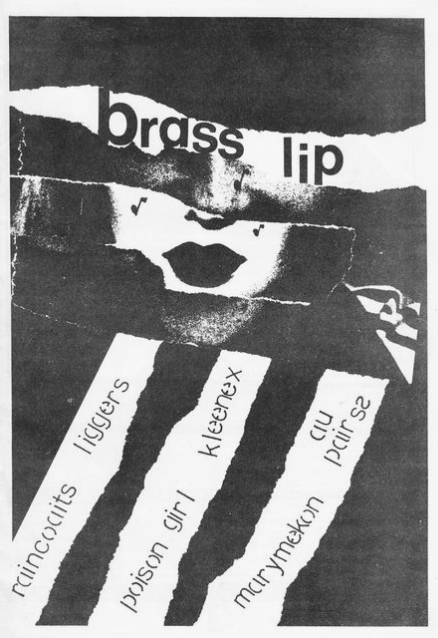

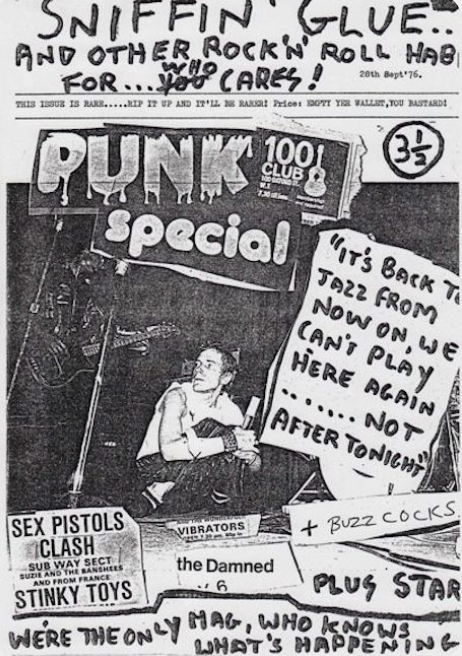
Punk Zines seem to be one of the leading fanzines. Often casually produced, they feature punk literature, such as social commentary, punk poetry, news, gossip, music reviews and articles about punk rock bands or local punk scenes. The style of punk fanzines seem to feature lots of the cut and paste technique, along with hand written words and doodles. I found the sex pistols image above interesting (red background of text), I liked the grainy image with the red and black text cut and paste over the top, it seems that this image was created digitally due to the opacity of the red boxes, as you wouldn’t be able to achieve this with already printed materials. I also liked the first image ‘Guilty of what’ I was drawn to this by the many different typefaces used, also with the large torn image and newspaper article.
Football Fanzines
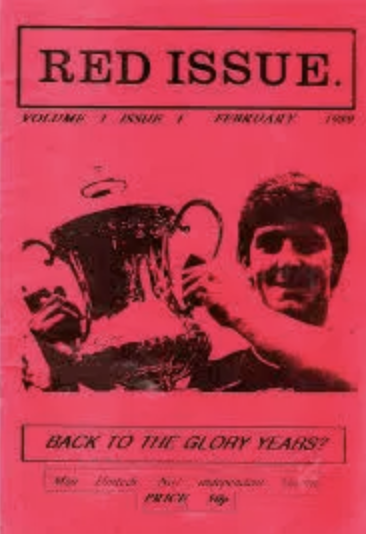
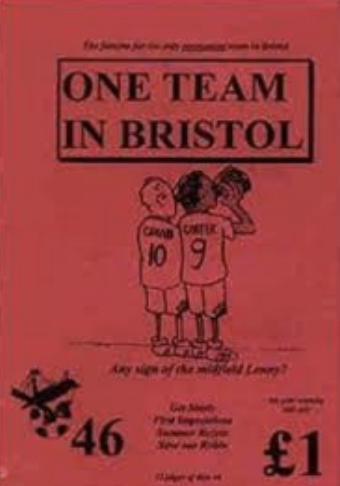
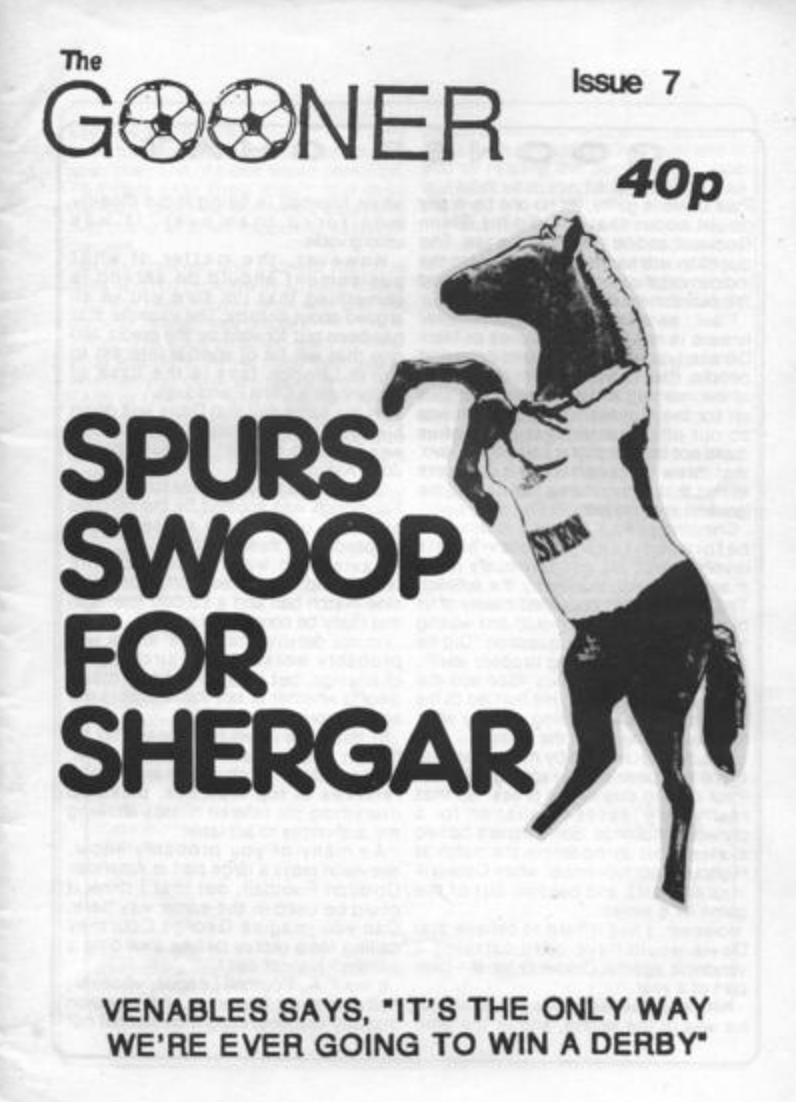
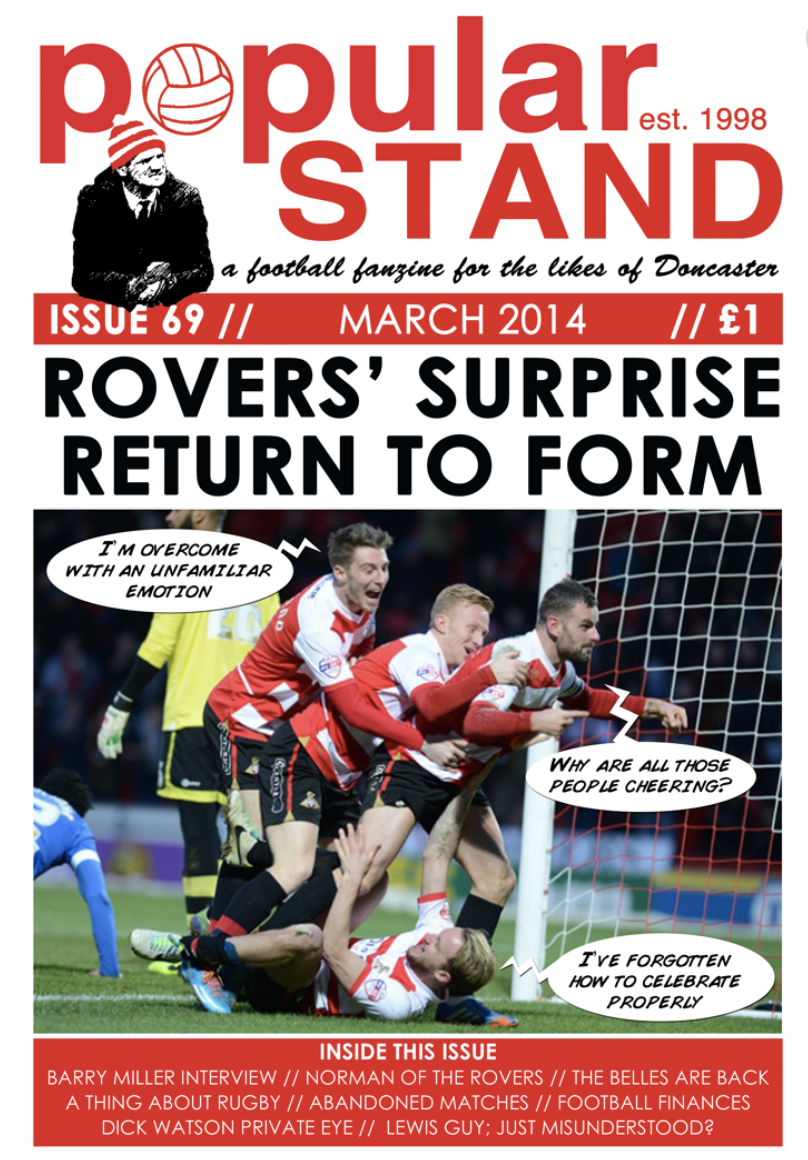
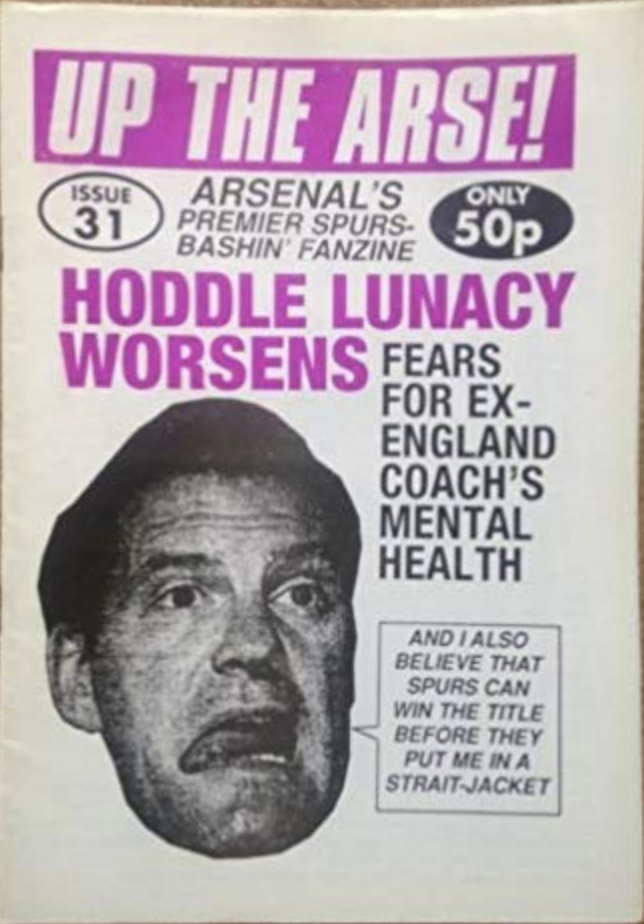
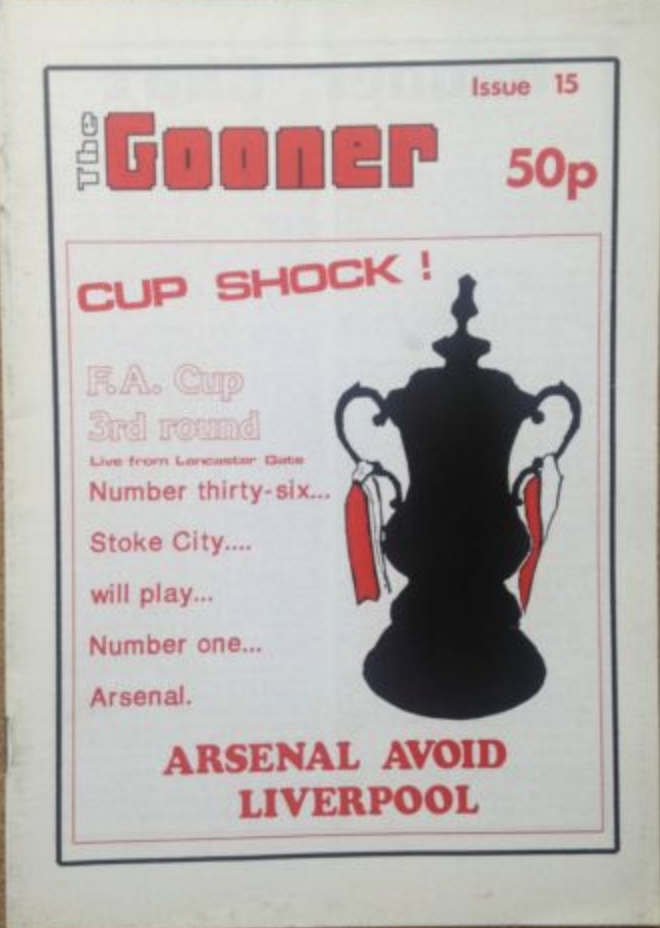
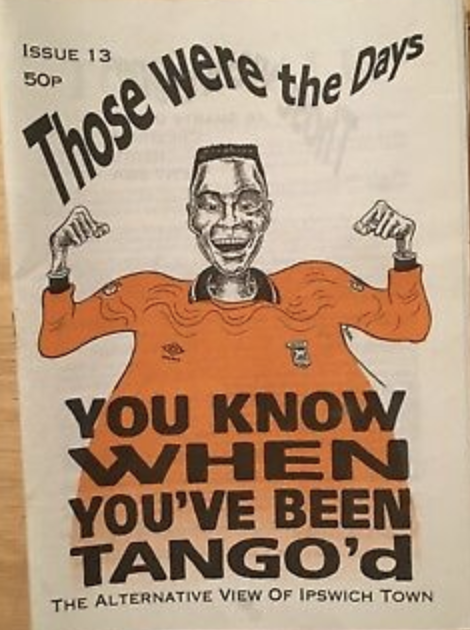
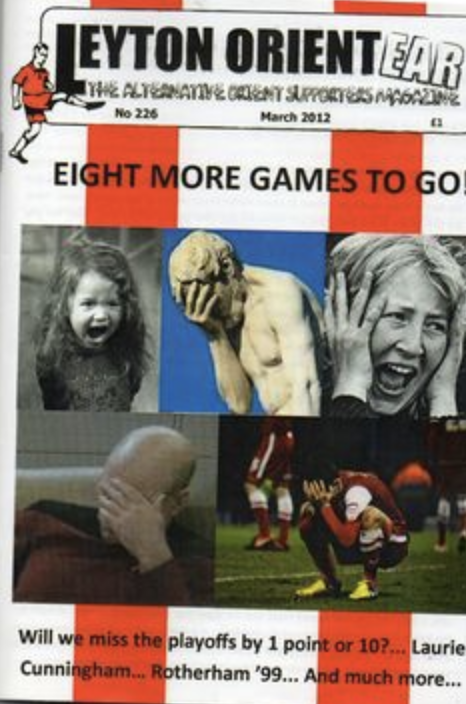
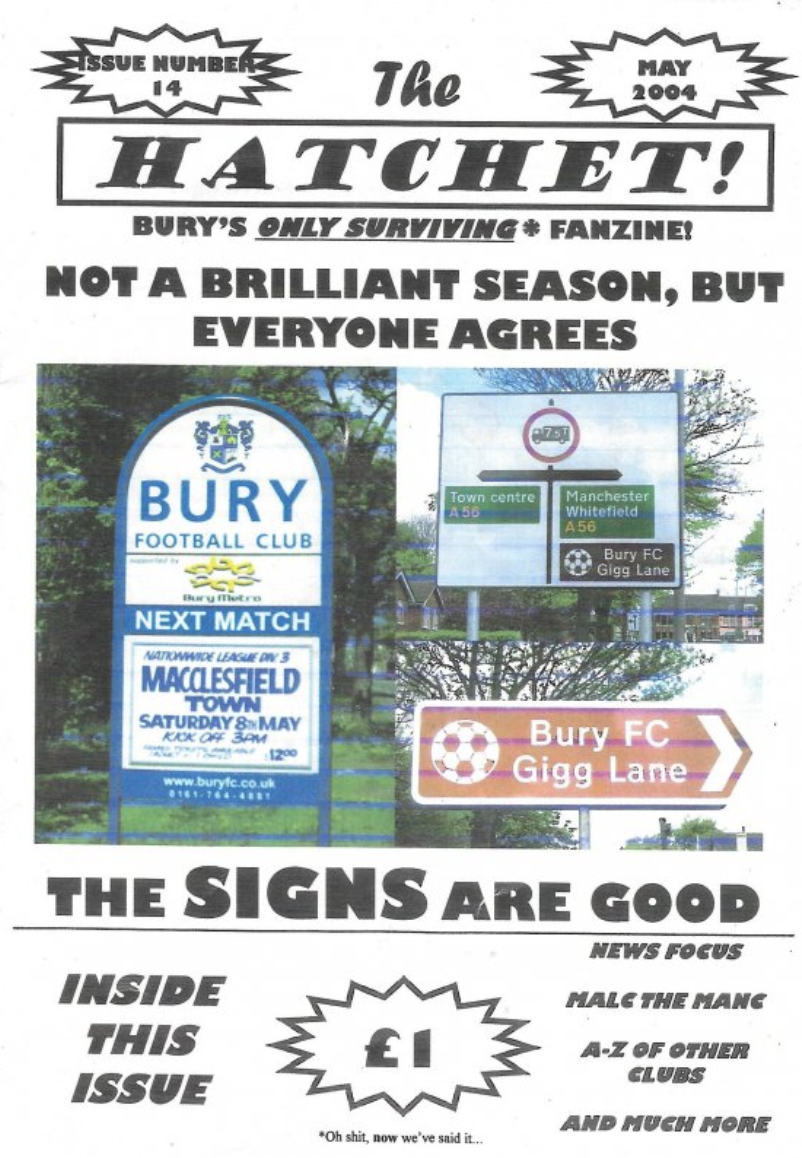
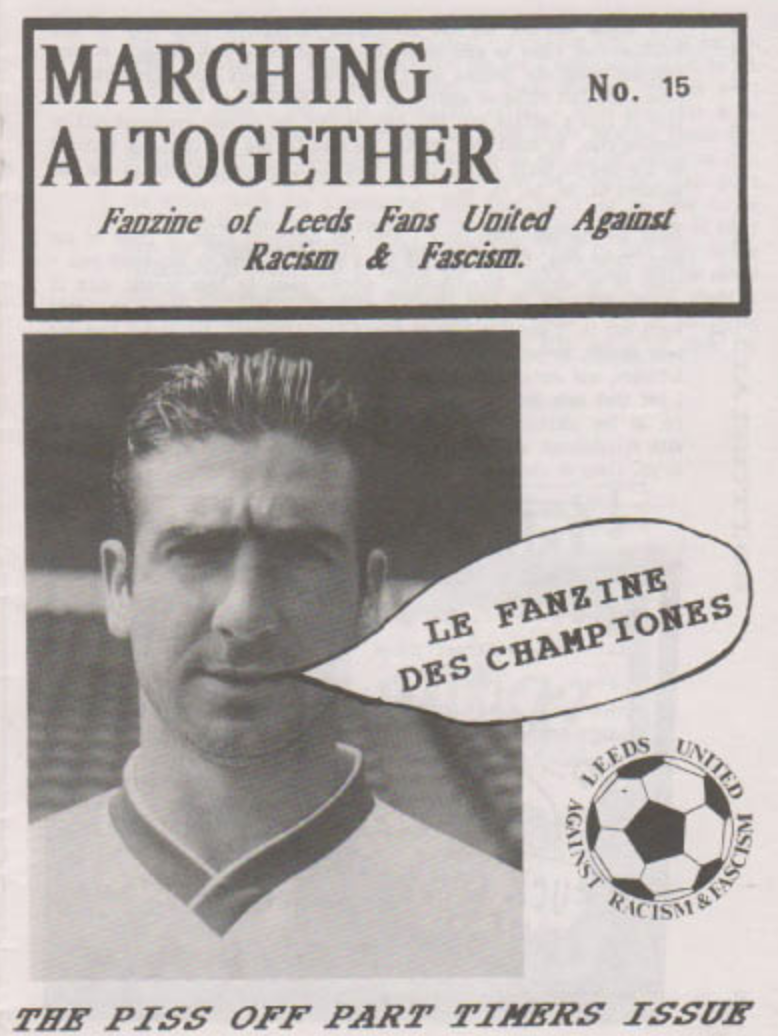
Football fanzines seem to be very different to that of punk, there isn’t much cut and paste technique, these zines seem to be clean and neatly constructed. “The first association football fanzine is regarded as being Foul, a publication that ran between 1972 and 1976. In the UK, most Premier League or Football League football clubs have one or more fanzines which supplement, oppose and complement the club’s official magazine or match day programme. A reasonably priced ‘zine has a guaranteed audience, as is the culture of passion in being a football fan.” (Wikipedia). The majority of these look like they are created digitally then printed. Football zines contain football news, thoughts of the fans and interviews. I like the first zine ‘Red Issue’ I think this clever to be printed on the red paper to relate to the title and to stand out. Red issue is a fanzine aimed at Manchester United fans.
Feminist Fanzine
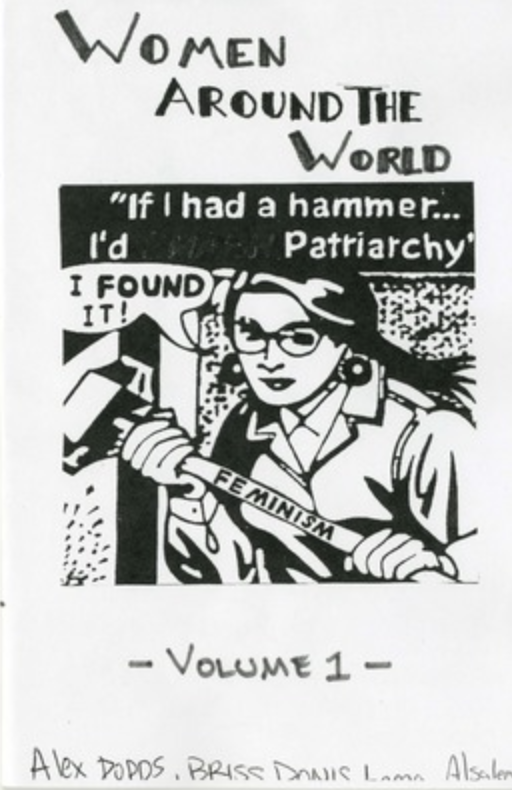
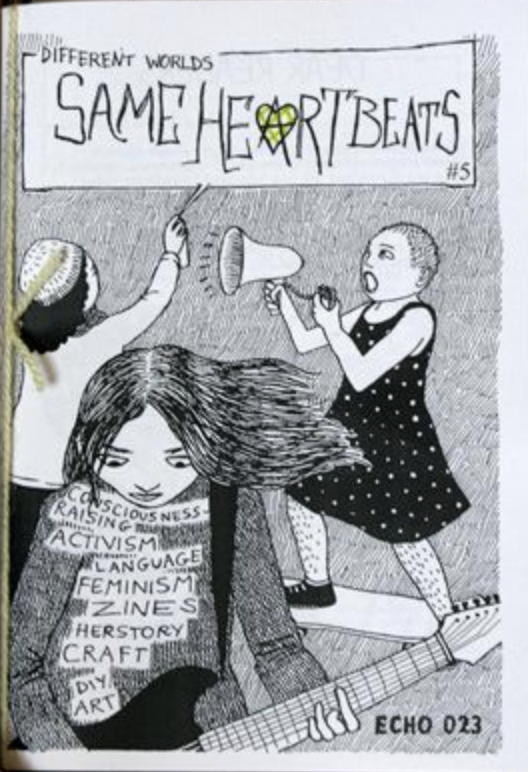
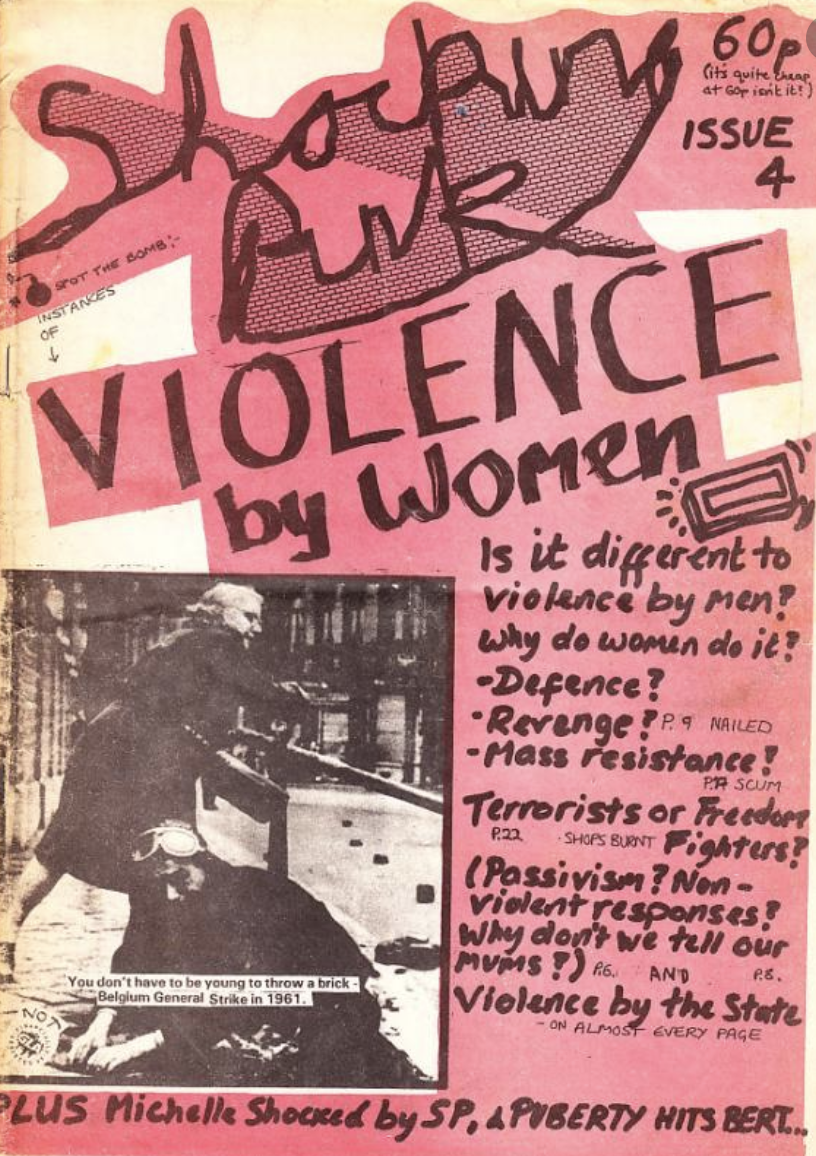
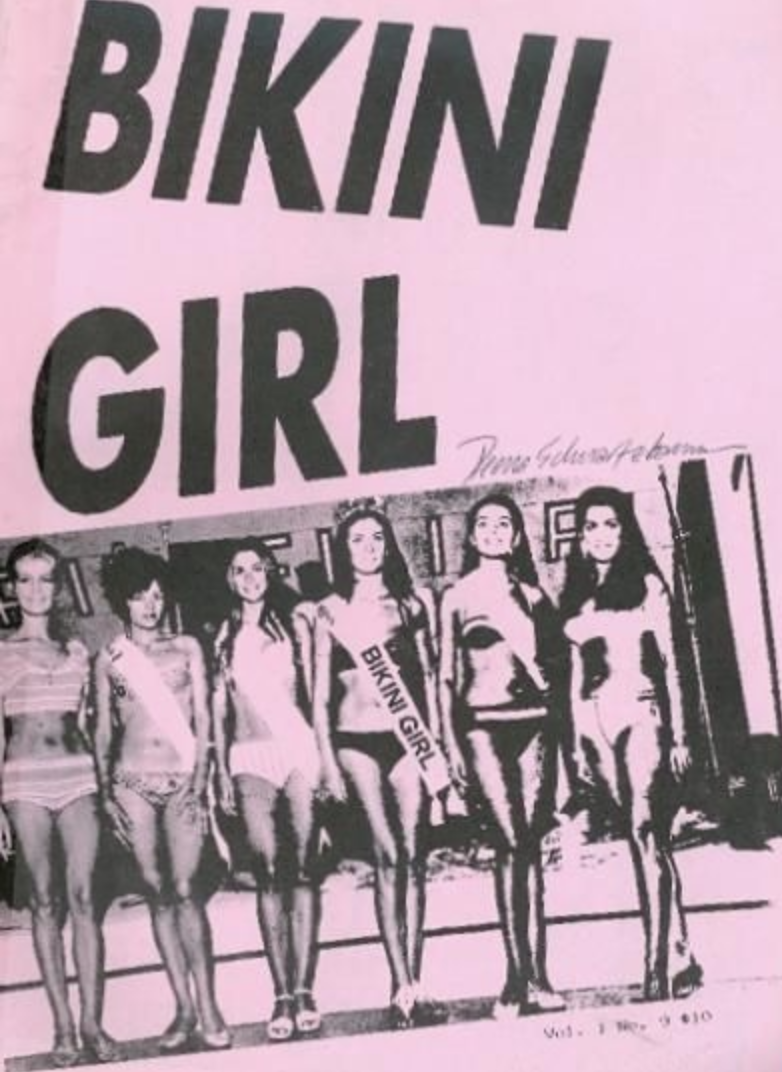
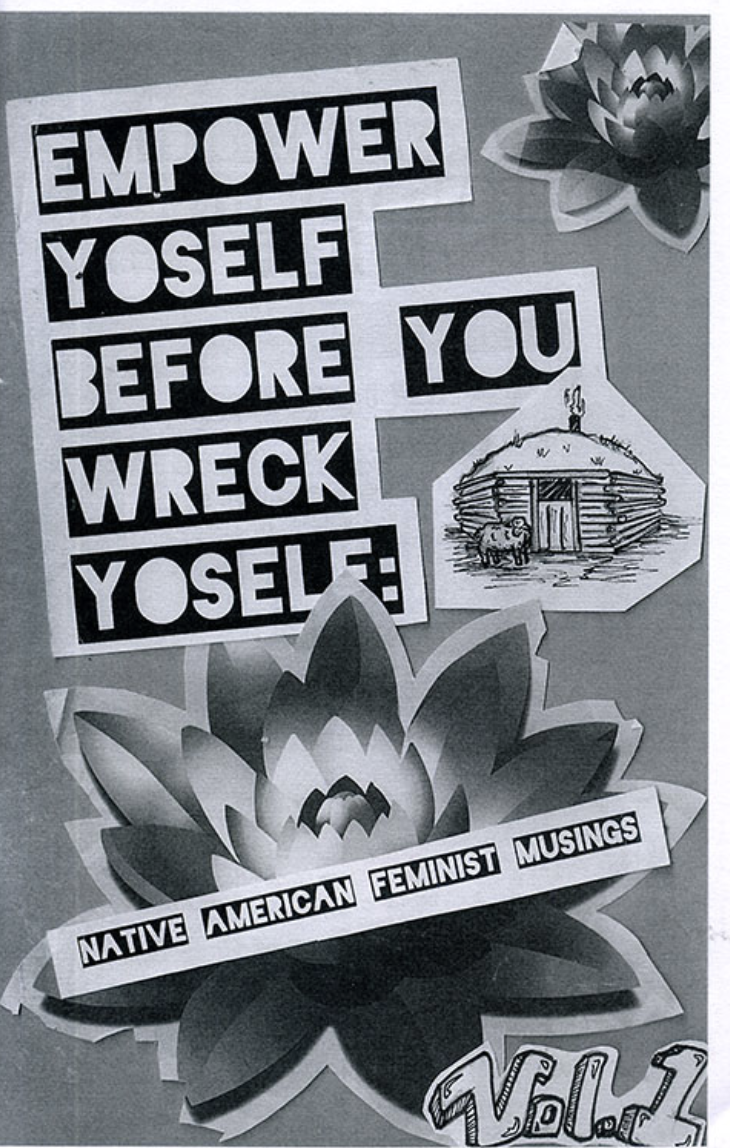
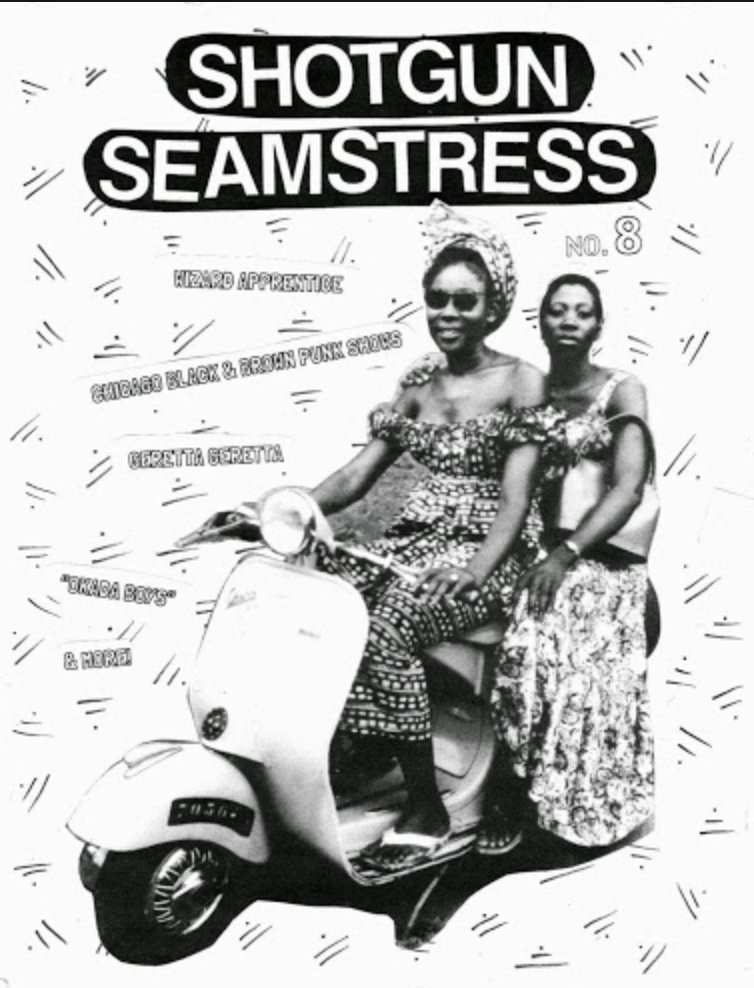
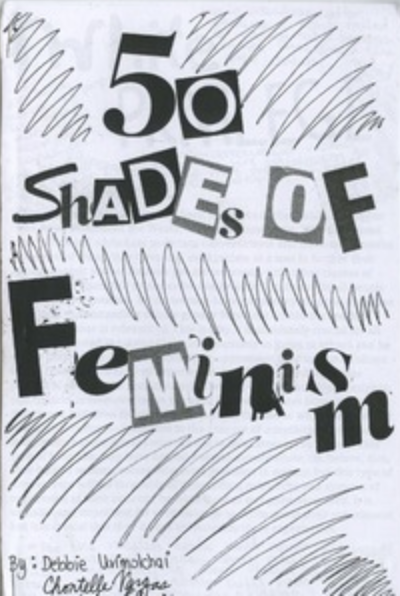
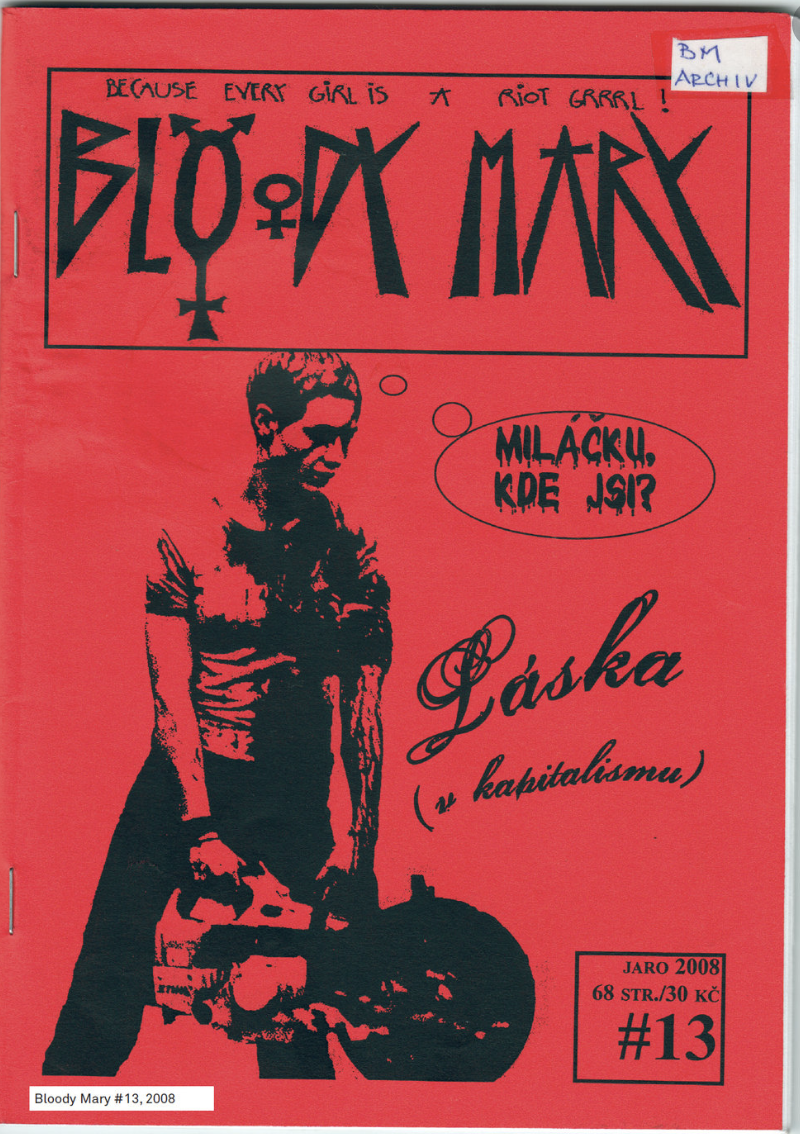
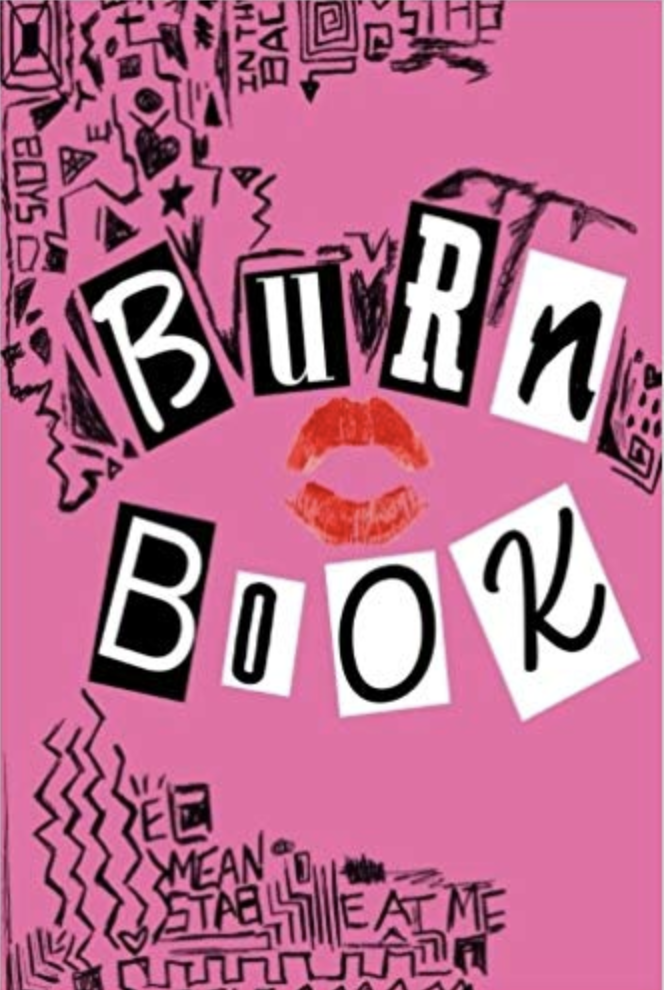
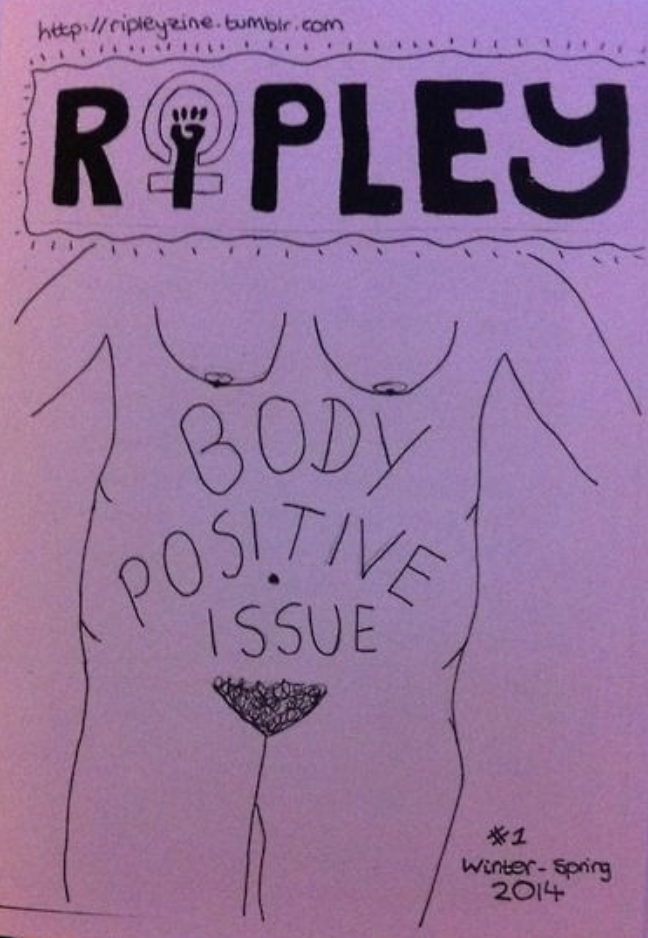
Feminist zines appearance is very much like the punk zines, with them mainly consisting of the cut and paste techniques, along with hand drawn doodles/decoration. In 1993 a new wave of feminist publications reacting against the established women’s magazines such as Cosmopolitan and Glamour came to light. I like the zines which are printed onto coloured paper, I feel that they are very effective in the most minimal way. I also found an interesting article on how feminist zine culture has evolved from past to present https://www.vice.com/en_uk/article/wjbbbb/how-feminist-zine-culture-has-evolved
Evaluation of fanzines
Combining all three genres above, plus the many more available I decided to create a mind map as to what makes up a fanzine.
Reflection
I found this task very informative, I feel that I have learnt a lot about both artist’s books and fanzines. Artist’s books come in a wide range of different styles which aren’t always in the form of a traditional book. And that Fanzines are cheap self-made publications made by the fans for the fans of that particular genre, there is no wrong or right when it comes to fanzines, however they do have particular design characteristics which consists through to most pieces.
References
Artist books images: https://library.si.edu/collection/artists-books
Book Arts Portfolio
Fanzine images: Pinterest // Google images
Fanzine information: https://en.wikipedia.org/wiki/Fanzine
https://www.vice.com/en_uk/article/wjbbbb/how-feminist-zine-culture-has-evolved
 rachaelmayesbook.design.blog